
2012 Honda Accord: ABS Brake & Traction Control Light Explained
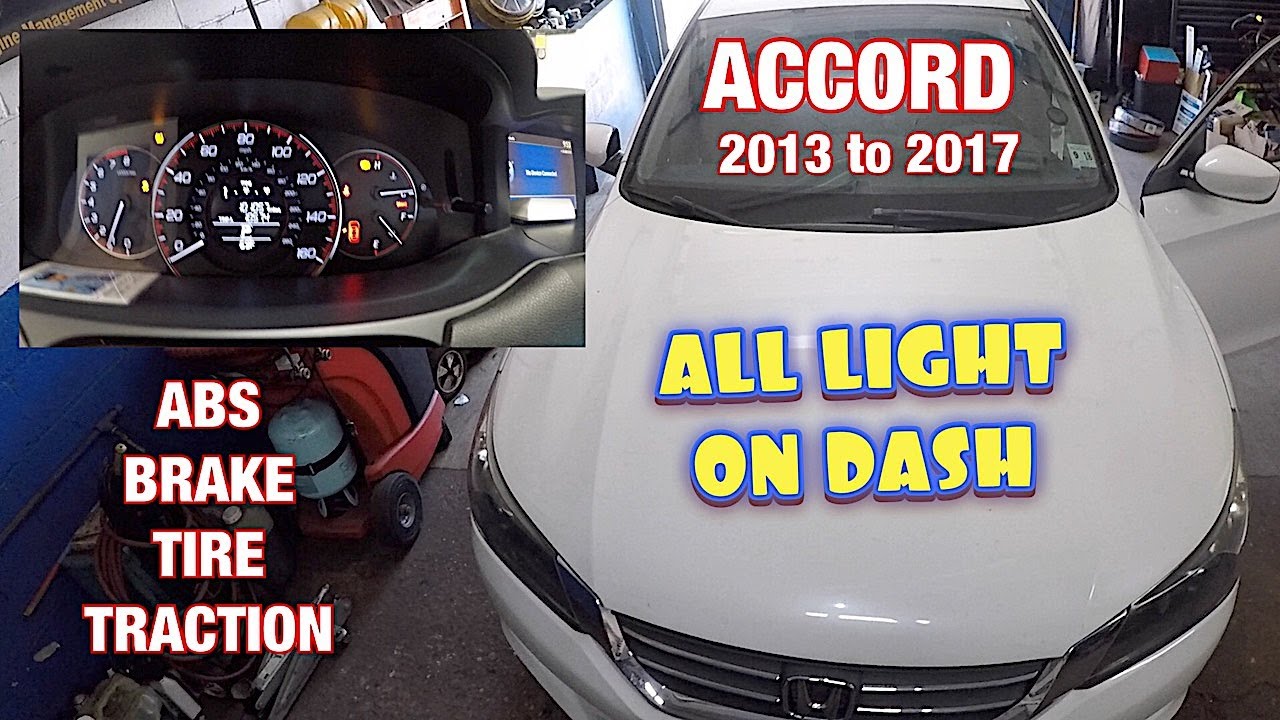
- Understanding the ABS Brake and Traction Control Light in Your 2012 Honda Accord
- Common Causes for the ABS and Traction Control Light Activation
- How to Diagnose ABS and Traction Control Issues in a 2012 Honda Accord
- Step-by-Step Guide to Troubleshooting ABS Brake Light Problems
- When to Seek Professional Help for Your 2012 Honda Accords ABS and Traction Control System
Understanding the ABS Brake and Traction Control Light in Your 2012 Honda Accord
The ABS (Anti-lock Braking System) brake and traction control light is an important indicator on the dashboard of your 2012 Honda Accord. This light serves as a warning that there may be an issue with the vehicle’s braking system or traction control system. When illuminated, it’s crucial to understand what it signifies to ensure your safety on the road.
What Triggers the ABS and Traction Control Light?
Several factors can trigger the ABS and traction control light in your Honda Accord. Common causes include:
- Low brake fluid levels
- Faulty wheel speed sensors
- Worn brake pads
- Issues with the ABS module
- Malfunctioning traction control system
When the light comes on, it’s essential to address these potential issues promptly. Ignoring the warning can lead to decreased braking performance and increased risk of accidents.
How to Respond When the Light Illuminates
If the ABS and traction control light in your 2012 Honda Accord lights up, take the following steps:
1. Check Brake Fluid: Inspect the brake fluid reservoir for any signs of low fluid levels.
2. Examine Brake Components: Look for any visible wear on brake pads and rotors.
3. Scan for Diagnostic Codes: Utilize an OBD-II scanner to retrieve any diagnostic trouble codes that may provide insight into the issue.
4. Consult a Professional: If the light persists after basic checks, it’s advisable to seek help from a certified mechanic.
Understanding the ABS brake and traction control light is vital for maintaining the safety and performance of your Honda Accord. By recognizing the importance of this warning light and taking appropriate action, you can help ensure a safer driving experience.
Common Causes for the ABS and Traction Control Light Activation
When the ABS (Anti-lock Braking System) and traction control lights illuminate on your dashboard, it can indicate various underlying issues that require attention. Understanding these common causes can help you diagnose the problem more effectively. Here are some frequent reasons for the activation of these warning lights:
1. Faulty Wheel Speed Sensors
One of the primary triggers for the ABS and traction control light activation is a malfunctioning wheel speed sensor. These sensors monitor the speed of each wheel and relay that information to the vehicles control module. If a sensor fails or becomes damaged, it can send incorrect data, prompting the system to activate the warning lights. Common signs of a faulty sensor include erratic ABS operation or a noticeable decrease in traction control effectiveness.
2. Brake Fluid Issues
Another common cause of ABS and traction control light activation is low or contaminated brake fluid. The ABS system relies on hydraulic pressure to function correctly, and insufficient fluid levels can lead to a drop in performance. Additionally, contaminated brake fluid can cause corrosion within the braking system, leading to sensor and module failures. Regularly checking and maintaining proper brake fluid levels is essential for optimal ABS and traction control functionality.
3. Malfunctioning ABS Module
The ABS module itself can also be a culprit in activating the warning lights. This electronic component is responsible for controlling the ABS system and can fail due to electrical issues, software malfunctions, or physical damage. When the ABS module is compromised, it may not communicate effectively with other systems, triggering the warning lights. If this is the case, a diagnostic scan is often necessary to identify the exact nature of the problem.
4. Tire Issues
Tire-related problems can also lead to the activation of ABS and traction control lights. If one or more tires are under-inflated, excessively worn, or mismatched in size, the wheel speed readings can become inconsistent. This discrepancy can confuse the ABS and traction control systems, prompting them to activate the warning lights. Regular tire maintenance, including checking tire pressure and tread depth, is crucial for ensuring the proper functioning of these safety systems.
How to Diagnose ABS and Traction Control Issues in a 2012 Honda Accord
Diagnosing ABS (Anti-lock Braking System) and traction control issues in a 2012 Honda Accord involves a systematic approach to identify the underlying problems. The first step is to check for any warning lights on the dashboard. If the ABS or traction control light is illuminated, it indicates that the vehicle’s onboard diagnostics have detected a fault in these systems. Using an OBD-II scanner, you can retrieve any trouble codes that may provide insight into the specific issue affecting your vehicle.
Visual Inspection is another crucial step in diagnosing ABS and traction control problems. Begin by examining the brake components, including the ABS sensors located at each wheel. Look for signs of damage, corrosion, or loose connections. Additionally, check the wiring harness for any frays or breaks that could disrupt the signal to the ABS module. Inspect the brake fluid level as well; low brake fluid can trigger ABS and traction control warnings.
If no visible issues are found, consider performing a functional test of the ABS system. This can often be done by engaging the system while driving on a safe, controlled surface. Pay attention to how the brakes respond during hard braking; if you feel a pulsing sensation, the ABS is likely functioning correctly. If the system does not engage or if the brakes lock up, further investigation is necessary.
Finally, if the problem persists, it may be essential to consult a professional mechanic. They can conduct advanced diagnostics, including checking the ABS control module and performing a thorough system scan. In many cases, resolving ABS and traction control issues involves resetting the system after repairs or replacements, ensuring that all components are functioning harmoniously.
Step-by-Step Guide to Troubleshooting ABS Brake Light Problems
When your ABS (Anti-lock Braking System) brake light illuminates on your dashboard, it’s essential to address the issue promptly to ensure your vehicle’s safety. This step-by-step guide will help you identify and resolve common problems associated with the ABS brake light.
Step 1: Check the ABS Fuse
Start by inspecting the ABS fuse in your vehicles fuse box. A blown fuse can trigger the ABS warning light. To check the fuse:
- Locate the fuse box, usually found under the dashboard or in the engine compartment.
- Refer to the owner’s manual for the exact location of the ABS fuse.
- Remove the fuse and inspect it for any visible damage. If it appears burnt, replace it with a new one of the same amperage.
Step 2: Inspect Wheel Speed Sensors
The wheel speed sensors are critical components of the ABS system. If they malfunction, the ABS light will activate. To check the sensors:
- Lift the vehicle using a jack and secure it with jack stands.
- Inspect each wheel speed sensor for dirt, debris, or damage.
- Clean any dirt from the sensors using a soft cloth and ensure the wiring is intact.
Step 3: Scan for Diagnostic Trouble Codes (DTCs)
Using an OBD-II scanner, you can retrieve diagnostic trouble codes that can provide insight into the ABS issue. Follow these steps:
- Connect the OBD-II scanner to the vehicle’s diagnostic port.
- Turn on the ignition and follow the scanners instructions to read the codes.
- Note the codes related to the ABS system, which can guide you in diagnosing the problem.
Following these steps will help you systematically troubleshoot ABS brake light problems. If the light persists after completing these checks, it may be time to consult a professional mechanic for further diagnosis and repair.
When to Seek Professional Help for Your 2012 Honda Accords ABS and Traction Control System
If you own a 2012 Honda Accord, understanding when to seek professional help for your ABS (Anti-lock Braking System) and traction control system is crucial for maintaining your vehicles safety and performance. These systems are designed to enhance your vehicles handling and braking capabilities, particularly in adverse driving conditions. However, various warning signs indicate that professional intervention may be necessary.
Warning Lights: One of the most immediate indicators that something is wrong with your ABS or traction control system is the illumination of warning lights on your dashboard. If the ABS light or the traction control light activates, it signals a malfunction that should not be ignored. Continuing to drive with these warning lights on can lead to decreased braking efficiency and potentially hazardous driving conditions.
Unusual Vehicle Behavior: If you notice any unusual behavior from your vehicle, such as the brakes feeling spongy or unresponsive, or if the traction control system seems to engage unexpectedly, it’s time to consult a professional. These symptoms could indicate issues with the hydraulic components or electronic systems that require expert diagnosis and repair. Additionally, if your vehicle struggles to maintain traction on slippery surfaces, this could point to a malfunctioning traction control system.
Regular Maintenance Checks: It is also advisable to seek professional help during routine maintenance checks, particularly if you have experienced any recent changes in your driving conditions or habits. A qualified technician can perform a thorough inspection of your ABS and traction control system to ensure that everything is functioning optimally. This proactive approach can help prevent more serious issues down the road, ultimately saving you time and money on repairs.
Recognizing these signs early can ensure that your 2012 Honda Accord remains safe and reliable on the road.
Did you like this content 2012 Honda Accord: ABS Brake & Traction Control Light Explained See more here General Mechanics.

Leave a Reply