
Honda Accord Blind Spot Detection Not Working: Troubleshooting Guide
- Understanding the Honda Accord Blind Spot Detection System
- Common Reasons Why Your Honda Accord Blind Spot Detection May Not Be Working
- Step-by-Step Troubleshooting for Honda Accord Blind Spot Detection Issues
- How to Reset Your Honda Accord Blind Spot Detection System
- When to Seek Professional Help for Honda Accord Blind Spot Detection Problems
Understanding the Honda Accord Blind Spot Detection System
The Honda Accord Blind Spot Detection System is an innovative safety feature designed to enhance driver awareness and improve overall road safety. This system utilizes advanced sensors to monitor the area alongside and behind the vehicle, alerting drivers to vehicles that may be in their blind spots. By providing timely warnings, the system helps prevent potential collisions during lane changes or merging maneuvers.
How It Works
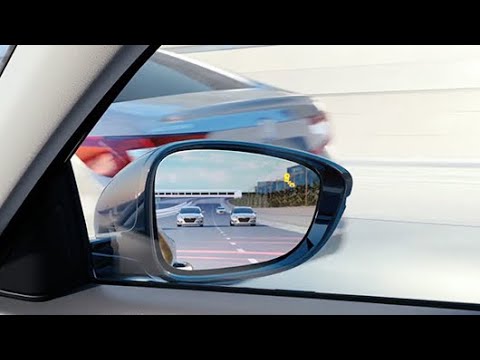
The Blind Spot Detection System employs radar sensors located in the rear corners of the vehicle. These sensors continuously scan the adjacent lanes for any vehicles that may not be visible in the side mirrors. When a vehicle is detected in the blind spot, a visual indicator lights up in the corresponding side mirror, alerting the driver. If the driver signals a lane change while a vehicle is in the blind spot, the system will provide an additional warning, typically through an audible alert.
Key Features
The Honda Accord Blind Spot Detection System includes several noteworthy features:
- Visual Alerts: Illuminated indicators in the side mirrors provide clear visual cues about vehicles in the blind spot.
- Audible Warnings: Additional sound alerts engage when the driver attempts to change lanes with a vehicle in the blind spot.
- Integration with Lane Keeping Assist: The system works in conjunction with other safety technologies to further enhance driving security.
This combination of visual and auditory alerts ensures that drivers remain informed about their surroundings, significantly reducing the risk of accidents caused by blind spot collisions. With the Honda Accords commitment to safety, this system is an essential feature that promotes a safer driving experience for everyone on the road.
Common Reasons Why Your Honda Accord Blind Spot Detection May Not Be Working
Blind spot detection systems are essential safety features in modern vehicles, including the Honda Accord. However, there are several reasons why this technology might not function as intended. Understanding these issues can help you troubleshoot and maintain your vehicles safety systems effectively.
1. Obstructions in the Sensor Area
One of the most common reasons for a malfunctioning blind spot detection system is obstructions in the sensor area. The sensors, usually located in the rear bumper or side mirrors, can be blocked by dirt, snow, or debris. Regular cleaning of these areas is crucial to ensure that the sensors can accurately detect vehicles in your blind spots. Additionally, aftermarket accessories, such as tow hitches or bumper stickers, can interfere with sensor functionality.
2. Faulty Sensors or Wiring Issues
Another potential issue could stem from faulty sensors or wiring problems. Over time, the sensors may wear out or become damaged due to environmental factors or minor collisions. If the sensors are not functioning correctly, the blind spot detection system may fail to alert you of vehicles in your blind spots. In such cases, a thorough diagnostic check by a professional mechanic can identify and resolve any wiring or sensor issues.
3. System Calibration Problems
The blind spot detection system may also require recalibration after certain maintenance or repair work, especially if components related to the system were removed or replaced. If the system is not properly calibrated, it may not provide accurate warnings. Consulting your owners manual or a Honda dealership can help you determine if recalibration is necessary and how to perform it correctly.
4. Software Updates and Malfunctions
Lastly, software glitches can impact the performance of your blind spot detection system. Just like any other electronic system in your car, it may require periodic updates to ensure optimal functionality. Keeping your vehicles software up to date can help prevent these issues. If you suspect a software-related problem, visiting a Honda dealership for a system check and potential update is advisable.
Step-by-Step Troubleshooting for Honda Accord Blind Spot Detection Issues
If youre experiencing issues with the blind spot detection system in your Honda Accord, following a systematic troubleshooting process can help you identify and resolve the problem effectively. Start by ensuring that your vehicle is parked on a level surface and that all necessary components are in good condition.
Step 1: Check the Blind Spot Monitoring System Settings
First, confirm that the blind spot monitoring system is activated. Navigate through your vehicles settings using the infotainment system or dashboard controls. Look for the blind spot detection settings and ensure that they are turned on. If they are already enabled, consider resetting the system by toggling the setting off and then back on.
Step 2: Inspect the Sensors
The blind spot detection system relies on sensors located on the sides of your Honda Accord. Inspect these sensors for any obstructions, such as dirt, snow, or ice. Clean the sensors gently with a soft cloth and ensure that they are not damaged or misaligned. If you notice any physical damage, the sensors may need replacement.
Step 3: Check for Warning Lights
Next, pay attention to your dashboard for any warning lights related to the blind spot detection system. If a warning light is illuminated, consult your owners manual for specific troubleshooting steps associated with that warning. It may indicate a malfunction within the system that requires professional diagnosis or repair.
Step 4: Perform a System Reset
If the above steps do not resolve the issue, performing a system reset can sometimes restore functionality. To do this, disconnect the vehicles battery for a few minutes, then reconnect it. This action can reset the electronic systems and may clear any temporary glitches affecting the blind spot detection feature.
By following these steps, you can effectively troubleshoot blind spot detection issues in your Honda Accord, ensuring safer driving and peace of mind on the road.
How to Reset Your Honda Accord Blind Spot Detection System
Resetting the blind spot detection system in your Honda Accord is essential for ensuring its optimal performance and accuracy. This system is designed to alert you of vehicles in your blind spots, enhancing your safety on the road. If you find that your blind spot monitoring is not functioning correctly, a reset may be necessary. Here’s how you can do it effectively.
Steps to Reset the Blind Spot Detection System
- Turn on the Ignition: Start your Honda Accord and ensure that the ignition is in the "On" position, but the engine does not need to be running.
- Access the Settings Menu: Use the controls on your steering wheel to navigate to the settings menu on the display screen.
- Select Vehicle Settings: Scroll through the menu until you find Vehicle Settings and select it.
- Find Blind Spot Detection: Within the vehicle settings, look for the Blind Spot Detection option.
- Reset the System: Once you have located the blind spot detection option, select Reset to initiate the process.
- Confirm the Reset: Follow any prompts on the screen to confirm the reset of the blind spot detection system.
After completing these steps, it is advisable to test the system to ensure it is functioning correctly. You can do this by driving in a safe area and checking if the alerts activate when vehicles enter your blind spots. If you continue to experience issues, consult your Honda Accord owner’s manual or contact a certified Honda technician for further assistance.
Additional Tips for Maintaining Your Blind Spot Detection System
- Keep Sensors Clean: Regularly check and clean the sensors located on the rear bumper of your vehicle to ensure they are free from dirt and debris.
- Check for Obstructions: Ensure that there are no obstructions blocking the sensors, as this can affect their performance.
- Software Updates: Periodically check for any software updates that may be available for your vehicle, as these can enhance system functionality.
When to Seek Professional Help for Honda Accord Blind Spot Detection Problems
Experiencing issues with the blind spot detection system in your Honda Accord can be concerning, especially when it comes to your safety on the road. Its essential to know when to seek professional help to ensure that the system functions correctly. If you notice any irregularities, such as warning lights not illuminating, false alerts, or a complete failure of the system, its time to consult a qualified technician. These symptoms can indicate underlying issues that require expert diagnosis and repair.
Signs that indicate you should seek professional help include:
- Persistent warning lights on your dashboard related to the blind spot detection system.
- Inconsistent alerts when vehicles enter your blind spot.
- Malfunctioning sensors or cameras that are visibly damaged or dirty.
- Unusual sounds or notifications that do not correspond to your surroundings.
Additionally, if you’ve recently had bodywork done on your vehicle or replaced any parts near the sensors, it’s wise to have the system checked. Misalignment or damage during repairs can lead to inaccuracies in detection. Professional technicians have the tools and expertise to recalibrate the system and ensure optimal performance, which is crucial for maintaining the safety features of your Honda Accord.
Finally, if your blind spot detection system frequently requires resetting or shows intermittent problems, do not hesitate to reach out to a professional. Attempting to troubleshoot complex electrical systems without the right knowledge can lead to further complications. By seeking help early, you can avoid more extensive repairs and ensure your vehicle remains safe for you and your passengers.
Did you like this content Honda Accord Blind Spot Detection Not Working: Troubleshooting Guide See more here General Mechanics.

Leave a Reply