
Why Does My Car Smell Like Coolant but Isnt Overheating?
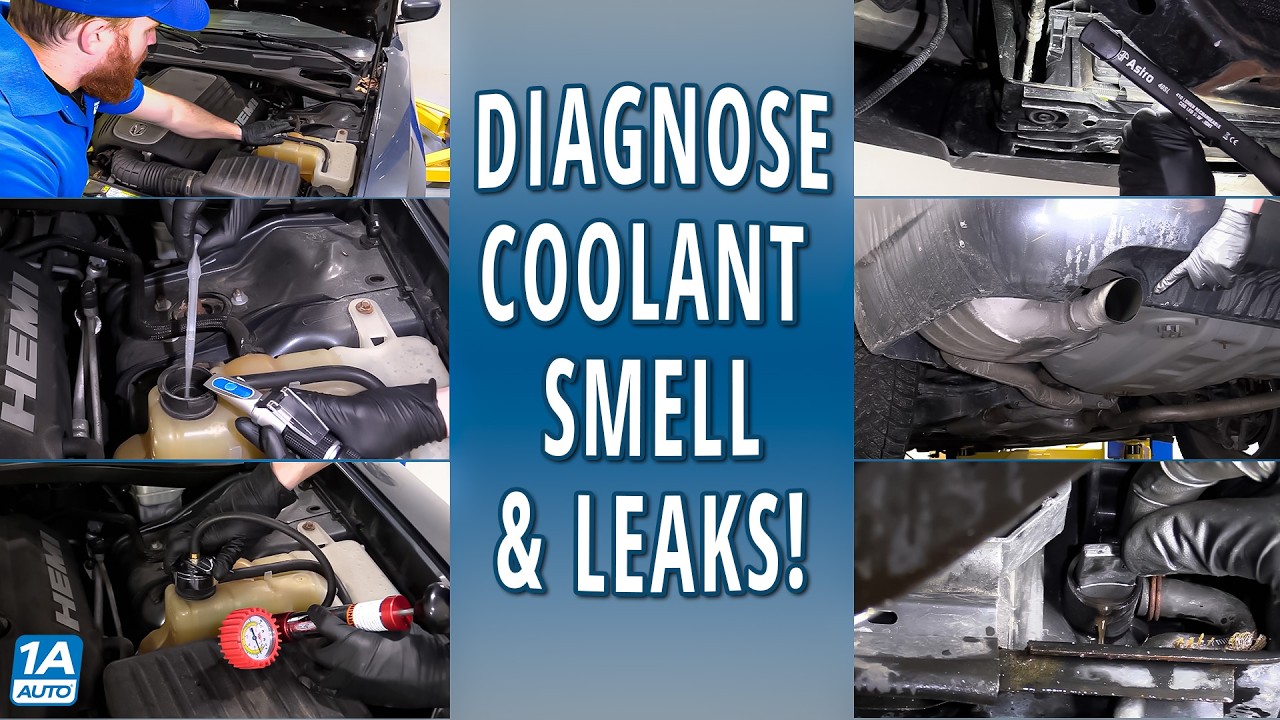
Understanding the Coolant System: Why Your Car Smells Like Coolant
When you notice a sweet, syrupy smell wafting from your car, it’s essential to understand the underlying issues related to your coolant system. A distinct coolant odor often indicates a leak or a problem within the cooling system, which plays a crucial role in regulating your engines temperature. The coolant, typically a mixture of water and antifreeze, helps prevent the engine from overheating and protects it from freezing in colder temperatures. If you detect this smell, its important to investigate further to avoid potential engine damage.
Common Causes of Coolant Smells
There are several reasons why your car might emit a coolant smell, including:
- Leaking Hoses: Over time, hoses can become brittle and crack, leading to coolant leaks.
- Damaged Radiator: A damaged or corroded radiator can also cause coolant to leak, resulting in noticeable odors.
- Water Pump Issues: If the water pump is failing, it may not circulate coolant properly, leading to leaks.
- Heater Core Problems: A malfunctioning heater core can cause coolant to escape into the cabin, creating a noticeable smell inside the vehicle.
In addition to these common causes, the smell of coolant can also be a sign of more severe issues, such as a blown head gasket. This condition can lead to coolant leaking into the engines combustion chamber, resulting in a sweet odor along with potential engine performance problems. Its essential to address any coolant smell promptly, as it may signify that your vehicle is at risk of overheating or sustaining more significant damage.
Symptoms to Watch For
If you smell coolant, you should also be on the lookout for other symptoms that may accompany the odor. Common indicators include:
- Overheating engine temperature gauge
- Low coolant levels in the reservoir
- Visible coolant leaks under the vehicle
- Steam or smoke coming from the engine area
Being proactive and addressing coolant system issues as soon as they arise can help maintain your vehicles health and ensure its longevity. If you experience a coolant smell, its advisable to have your car inspected by a professional mechanic to diagnose and resolve the issue effectively.
Common Causes of Coolant Smell Without Overheating
Experiencing a coolant smell in your vehicle can be concerning, especially when the engine isnt showing signs of overheating. There are several potential reasons for this phenomenon that car owners should be aware of. Understanding these causes can help in addressing the issue before it leads to more significant problems.
1. Leaking Coolant Hoses
One of the most common causes of a coolant smell is a leak in the coolant hoses. Over time, hoses can become brittle, cracked, or damaged due to age, wear, and exposure to heat. If a hose is leaking, it may not cause immediate overheating but can still release coolant vapors into the engine compartment, resulting in a noticeable smell. Regularly inspecting the hoses for signs of wear can help prevent this issue.
2. Faulty Radiator Cap
A malfunctioning radiator cap can also lead to coolant odors without triggering overheating. The radiator cap is designed to maintain pressure within the cooling system. If it’s not sealing properly, coolant can escape as vapor, producing a smell that can be detected in the vehicle. Replacing a worn or damaged radiator cap is a straightforward solution that can resolve this issue.
3. Heater Core Issues
Another potential source of coolant smell is a problem with the heater core. The heater core functions as a mini radiator, circulating coolant to provide heat for the cabin. If it develops a leak, it can emit a sweet odor without causing the engine to overheat. Signs of a faulty heater core may also include a wet passenger floor or a foggy windshield, indicating that coolant is leaking into the cabin.
4. Coolant Overflow Tank Problems
Lastly, issues with the coolant overflow tank can lead to a coolant smell. If the overflow tank is cracked or the cap is damaged, it can allow coolant vapors to escape. This situation often occurs without any visible signs of overheating, making it essential to check the condition of the overflow tank regularly. Keeping an eye on coolant levels can also help detect any leaks early on.
By understanding these common causes of coolant smell without overheating, vehicle owners can take proactive measures to ensure their car remains in optimal condition.
Signs of a Coolant Leak: What to Look For
Detecting a coolant leak early can save you from costly repairs and engine damage. If you suspect a coolant leak, there are several telltale signs to watch for. One of the most noticeable indicators is the presence of a puddle or stain under your vehicle. This liquid is often bright green, orange, or pink, depending on the type of coolant used. If you spot a colorful fluid pooling beneath your car, it’s a strong indication that you may have a coolant leak.
Another sign to look out for is an unusual temperature gauge reading on your dashboard. If your engine temperature rises above the normal range, it could mean that your coolant is not circulating properly due to a leak. Additionally, you may notice steam coming from the engine compartment, which can be a warning sign of overheating and a potential coolant leak. This steam is typically a result of coolant escaping from a damaged hose or a failing radiator.
Pay attention to any sweet smells emanating from your engine area as well. Coolant has a distinct, sweet odor that can be a clear indicator of a leak. Furthermore, if you frequently find yourself having to top off your coolant reservoir, it’s a sign that there may be a leak somewhere in the system. This could be due to a worn-out hose, a damaged radiator, or a faulty water pump.
To summarize, here are some key signs of a coolant leak to keep an eye out for:
- Puddles or stains under your vehicle
- Unusual temperature readings on the dashboard
- Steam coming from the engine compartment
- Sweet odor near the engine area
- Frequent need to top off coolant
Being aware of these signs can help you address coolant leaks promptly and maintain your vehicles health.
How to Diagnose Coolant Odors in Your Vehicle
When you notice a sweet, syrupy smell inside or around your vehicle, it could indicate a coolant leak. Diagnosing coolant odors promptly is crucial to prevent overheating and potential engine damage. Start by inspecting the interior and exterior of your vehicle for any signs of coolant leaks. Look for puddles of green, orange, or pink liquid beneath your car, as these colors typically signify coolant. If you detect a smell inside the cabin, it may suggest that coolant is leaking from the heater core or other internal components.
To identify the source of the odor, conduct a thorough visual inspection of the engine bay. Check for any visible signs of leaks around hoses, the radiator, and the water pump. If the hoses appear brittle or cracked, they may be the culprit. Additionally, examine the radiator for any signs of corrosion or damage. If you suspect a leak but cannot find one visually, you might consider using a UV dye added to the coolant. This dye can help highlight leaks under UV light, making it easier to pinpoint the source of the odor.
Another important aspect of diagnosing coolant odors is monitoring the engine temperature. If your vehicle is running hotter than normal, it could indicate that the cooling system is compromised. Pay attention to the temperature gauge on your dashboard and listen for any unusual sounds from the engine. If the engine is overheating, it’s essential to stop driving immediately to prevent severe damage. Furthermore, if you notice steam coming from under the hood or the smell of burnt coolant, these are clear signs of a more serious issue that requires immediate attention.
Finally, if you have ruled out external leaks and the odor persists, consider checking the heater core. A malfunctioning heater core can leak coolant into the cabin, leading to a strong odor. Look for signs of dampness or moisture on the passenger side floor, which can indicate a failing heater core. If you suspect this is the case, its advisable to consult a professional mechanic for further diagnosis and repair. By taking these steps, you can effectively diagnose coolant odors in your vehicle and address any underlying issues before they escalate.
Preventative Measures: Keeping Your Cars Cooling System Healthy
Maintaining your cars cooling system is crucial for ensuring optimal performance and longevity. Regular preventative measures can help you avoid costly repairs and keep your engine running smoothly. Here are some essential steps to keep your cars cooling system in top shape.
Regular Inspections
Performing regular inspections of your cooling system is vital. Check for any signs of leaks, corrosion, or wear. Look at the hoses and clamps for cracks or loose fittings, and ensure the radiator is free from debris. Regular inspections can help identify potential issues before they become serious problems.
Coolant Maintenance
Maintaining the right coolant levels is essential for the efficiency of your cooling system. Make sure to check the coolant reservoir regularly and top it off as needed. Additionally, it’s important to flush and replace the coolant at recommended intervals, typically every 30,000 miles or as specified in your owner’s manual. This helps prevent the buildup of rust and scale, which can impair the cooling systems effectiveness.
Thermostat and Water Pump Checks
The thermostat and water pump play critical roles in regulating engine temperature. Periodically test the thermostat to ensure it opens and closes at the correct temperatures. A malfunctioning thermostat can lead to overheating. Similarly, inspect the water pump for leaks or unusual noises, as these can indicate impending failure. Replacing these components proactively can save you from overheating issues down the road.
By following these preventative measures, you can significantly enhance the reliability and efficiency of your cars cooling system. Regular maintenance will not only extend the life of your vehicle but also provide peace of mind while driving.
Did you like this content Why Does My Car Smell Like Coolant but Isnt Overheating? See more here General Mechanics.

Leave a Reply