
Towing Capacity of a 2014 Ford Explorer — Max Tow Rating, Payload & Specs
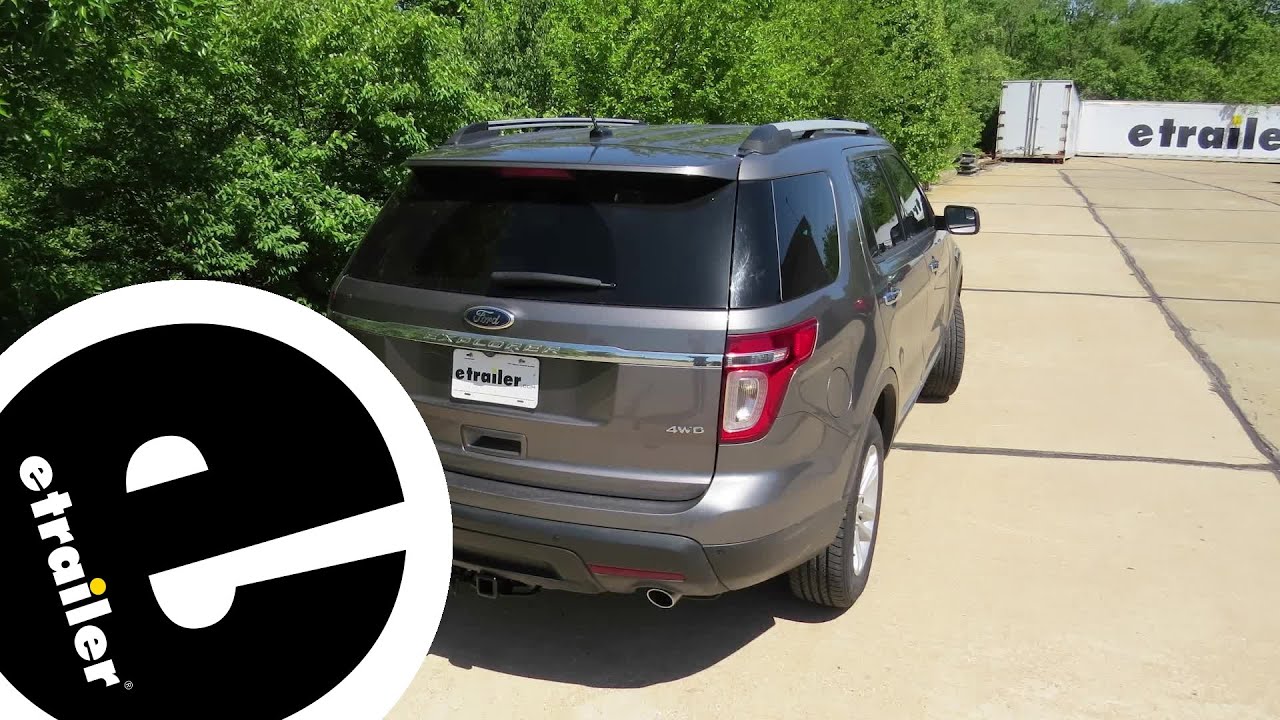
- 2014 Ford Explorer towing capacity: factory specs, maximum ratings, and what they mean
- Towing capacity of a 2014 Ford Explorer by engine, transmission, trim, and towing package
- How to verify your 2014 Explorer’s towing capacity (VIN decode, door jamb label, owner’s manual)
- Best hitch, trailer brakes, and weight-distribution tips for safe towing with a 2014 Ford Explorer
- Common towing limits, legal considerations, and troubleshooting for 2014 Ford Explorer owners
2014 Ford Explorer towing capacity: factory specs, maximum ratings, and what they mean
Factory specs and the range you can expect
The 2014 Ford Explorer’s factory towing capacity is not a single number but a range that depends on configuration — engine choice, drivetrain (RWD vs. AWD), axle ratio and whether the vehicle is equipped with Ford’s Trailer Tow Package. When properly equipped, many 2014 Explorers are rated for up to about 5,000 pounds of trailer weight; models with the smaller turbocharged 2.0L engine or without a tow package will carry a notably lower rating, often in the roughly 2,000–3,500 pound range. Always verify the exact figure for your VIN in the owner’s manual or on the certification label on the driver’s door jamb.
What the maximum rating actually reflects
The factory “maximum” towing rating is a limit set by the manufacturer based on structural, cooling, braking and drivetrain capabilities. Important related numbers include the GVWR (Gross Vehicle Weight Rating), which caps the total weight of the vehicle plus cargo and passengers, and the GCWR (Gross Combined Weight Rating), which limits the combined weight of vehicle plus trailer. The tow rating also assumes appropriate equipment (hitch, wiring, cooling) and proper trailer braking; exceeding the rating can overload the vehicle’s brakes, suspension or transmission.
Factors that change your real-world safe tow limit
Several factory and aftermarket factors influence the usable towing capacity:
- Engine and transmission — higher-output engines and heavy-duty cooling raise capacity.
- Axle ratio — a taller or lower final drive changes towing performance and rating.
- Trailer Tow Package — adds hitch receiver, wiring, transmission cooler and upgraded cooling that the factory rating typically assumes.
- Vehicle load — passengers, cargo and options reduce the payload available for tongue weight and trailer gear.
How to apply the rating safely
To use the factory rating safely, subtract the trailer’s tongue weight and any extra cargo from your vehicle’s payload capacity and ensure the combined vehicle + trailer weight does not exceed the GCWR. Use a weight-distributing hitch and trailer brakes when near the top end of the rating, and consult the owner’s manual or the Ford dealer for the exact specification for your 2014 Explorer trim and equipment.
Towing capacity of a 2014 Ford Explorer by engine, transmission, trim, and towing package
The towing capacity of a 2014 Ford Explorer varies significantly by engine, transmission, trim level, drivetrain and whether the factory Trailer Tow Package is installed. Most 2014 Explorers are equipped with a 6‑speed automatic transmission paired to either the 3.5L V6 or the 2.0L EcoBoost I4, and the maximum tow rating is only achieved when the vehicle is properly equipped and the correct towing hardware and cooling upgrades are fitted.
By engine and transmission
- 3.5L V6 (6‑speed automatic) — when fitted with Ford’s factory Trailer Tow Package and required cooling/upgrades, this configuration is commonly rated up to 5,000 lb.
- 2.0L EcoBoost I4 (6‑speed automatic) — with the factory towing provisions this smaller turbocharged engine is typically rated lower, commonly around 3,500 lb.
Trim level and drivetrain options (rear‑drive vs. all‑wheel drive) can alter the official rating — some trims require the towing package to reach the figures above. The factory Trailer Tow Package adds the hitch receiver, wiring harness and often upgraded cooling components and trailer sway control or a brake controller provision, which are necessary for the higher capacities listed by Ford.
Always verify the exact towing capacity for your specific vehicle by checking the certification label on the driver’s door jamb and the owner’s manual, and remember payload, cargo, passengers and hitch/tongue weight will reduce the amount you can safely tow.
How to verify your 2014 Explorer’s towing capacity (VIN decode, door jamb label, owner’s manual)
Start by using the vehicle’s VIN decode to get the factory equipment that determines towing capability. Copy the 17‑character VIN from the dash or door jamb and run it through an official Ford VIN decoder, a dealer, or a reputable third‑party service. The decoded build will list the engine, transmission, axle ratio and whether the factory tow package was installed—these are the variables that change the rated towing capacity, so use the decoded spec sheet rather than a general model year number.
Next, inspect the door jamb label (usually on the driver’s door or door pillar) for the GVWR and GAWR numbers; these placards show maximum axle and vehicle weights and are essential for calculating payload and safe trailer loads. Also check the hitch receiver and any tow‑package stickers under the hood or in the trunk area—aftermarket hitches should have a stamped tongue/trailer rating that must not be exceeded. Remember that the door jamb gives gross limits, so you’ll need to account for vehicle curb weight, passengers, cargo and tongue weight when determining the usable trailer capacity.
Finally, consult the owner’s manual and the VIN‑specific build sheet for the official towing tables and recommended equipment (e.g., trailer brakes, sway control, transmission cooler). The manual provides the manufacturer’s GCWR/towing guidelines, recommended tongue weight percentages and safety procedures for trailer hookup. For absolute certainty, cross‑reference the decoded VIN information, door‑jamb placards and owner’s manual, or contact a Ford dealer with your VIN to obtain the exact factory towing rating for your 2014 Explorer.
- Quick check steps: copy VIN → decode/build sheet → inspect door jamb for GVWR/GAWR → read owner’s manual towing section → verify hitch rating.
Best hitch, trailer brakes, and weight-distribution tips for safe towing with a 2014 Ford Explorer
Choose the right hitch and hardware. For safe towing with a 2014 Ford Explorer, select a hitch assembly and ball mount that match or exceed the trailer’s GVWR and the Explorer’s factory towing rating (always verify limits in the owner’s manual). Use the correct hitch ball diameter and shank size for your coupler, and install all bolts, pins, and clips to the manufacturer’s torque specs. Inspect and maintain the hitch receiver, welds, and fasteners, and use a one-piece welded ball or a quality drop hitch to ensure a secure connection and consistent ride height.
Prioritize proper trailer brakes and a quality controller. Electric trailer brakes with an in-cabin controller greatly improve stopping stability; a proportional controller responds to your vehicle’s deceleration for smoother, safer braking compared with simple time-delayed units. Verify the Explorer’s wiring or add a dedicated brake-controller harness, test the brake output and adjust gain on level ground, and check individual brake magnets and wiring for corrosion or wear. For trailers with surge brakes, ensure the actuator is properly maintained and matched to the trailer’s weight.
Manage weight distribution and sway control. Aim for a tongue weight around 10–15% of the loaded trailer weight and position cargo so the trailer’s center of gravity sits slightly forward of the axle—this reduces rear sag and improves steering feel. If your trailer brings the Explorer close to its towing limits or causes rear-end sag, use a weight-distribution hitch with integrated sway control to level the rig and distribute tongue load across both axles. Always weigh tongue load on a scale, recheck tire pressures for both vehicle and trailer, and secure cargo to prevent load shift while underway.
Pre-trip checks and on-road verification. Before every tow, confirm hitch and ball tightness, safety-chain routing, and that the brake controller and lights function correctly; perform a short low-speed brake and handling test in a safe area to feel for any pull, sag, or excessive sway. Reevaluate hitch height, drop length, and trailer loading after the first few miles and adjust the weight-distribution or brake controller settings as needed to maintain stable, predictable towing behavior.
Common towing limits, legal considerations, and troubleshooting for 2014 Ford Explorer owners
2014 Ford Explorer towing limits vary widely by engine, axle ratio, drivetrain (FWD vs. AWD), and whether the vehicle is equipped with Ford’s towing package, so the first step for any owner is to consult the vehicle’s owner’s manual and the certification label on the driver’s door jamb for the exact Gross Vehicle Weight Rating (GVWR), Gross Combined Weight Rating (GCWR), and recommended tongue weight. These factory ratings, along with the hitch class and trailer specifications, determine how much you can safely tow. Also factor in payload (passengers and cargo) when calculating available towing capacity—ignoring payload can lead to exceeding ratings even if the trailer itself seems within limits.
Legal considerations include more than just staying under the listed towing capacity. Many states require trailers over a certain weight to have their own registration, functioning taillights, turn signals, safety chains, and electric trailer brakes; some jurisdictions also mandate a separate trailer brake controller or specific licensing for heavier loads. Always verify local laws regarding maximum allowed trailer lengths, speed limits when towing, and whether special endorsements are required for your driver’s license. Keep documentation handy (registration, insurance, and any weight certificates) when crossing state lines or using toll roads, and ensure the trailer’s GVWR and the Explorer’s ratings are not exceeded to avoid fines and liability in the event of an incident.
Troubleshooting common towing-related issues starts with basic pre-trip checks: confirm hitch tightness, correct ball size, trailer wiring and brake lights, proper tire pressure on both tow vehicle and trailer, and securely attached safety chains. If you experience trailer sway, braking problems, or transmission overheating, address them immediately—sway can often be reduced by redistributing cargo to achieve proper tongue weight, adding a weight-distributing hitch or sway control, and slowing down; poor braking typically points to a misadjusted or malfunctioning brake controller, worn trailer brake components, or insufficient tow-vehicle brakes. Persistent transmission temperature spikes while towing may indicate the need for an auxiliary transmission cooler, fluid inspection, or a professional drivetrain check to prevent long-term damage.
Pre-tow checklist
- Verify ratings: Owner’s manual and door jamb GVWR/GCWR
- Hitch and connections: Correct hitch class, ball size, and torque
- Lights & wiring: Tail, turn, and brake lights plus ground connections
- Brakes: Trailer brake functionality and controller calibration
- Tires & load balance: Proper pressures, tire condition, and tongue weight
Did you like this content Towing Capacity of a 2014 Ford Explorer — Max Tow Rating, Payload & Specs See more here General Mechanics.

Leave a Reply