
Can You Put a Turbo in an Automatic Car? Heres What You Need to Know
- Understanding Turbochargers: What They Do for Your Car
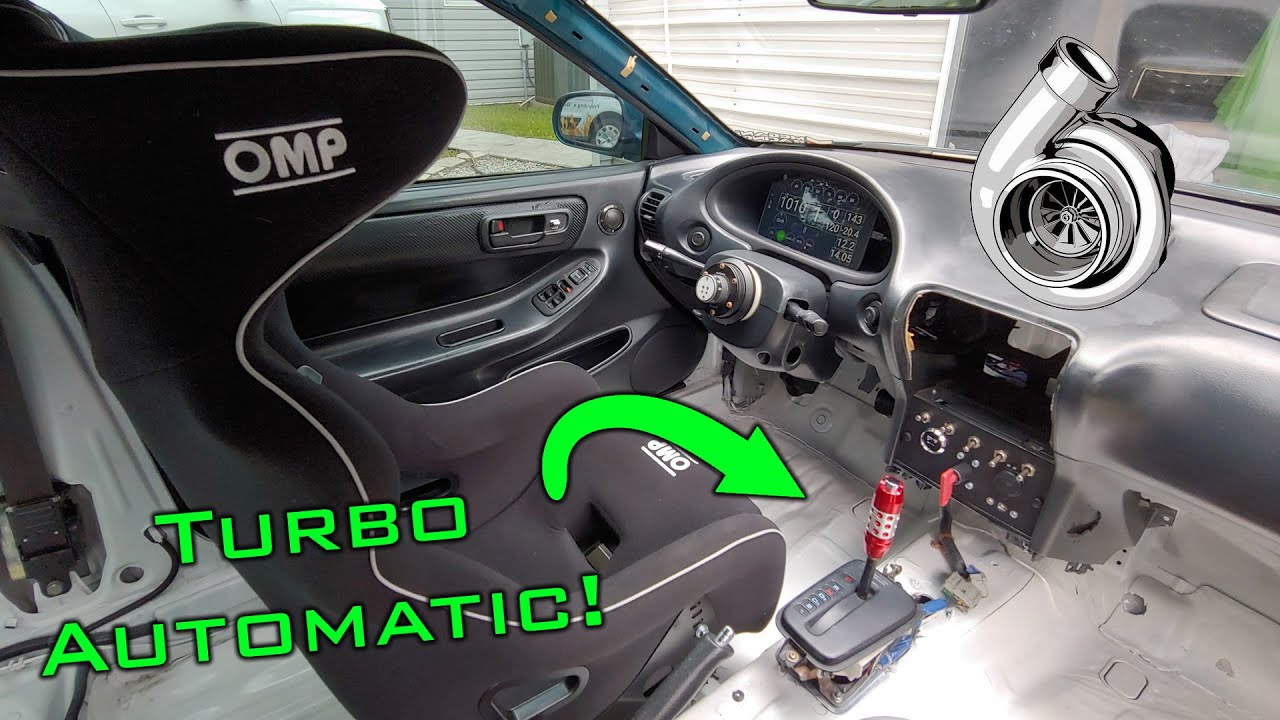
- Can You Put a Turbo in an Automatic Car? The Basics Explained
- Benefits of Adding a Turbo to an Automatic Transmission Vehicle
- Challenges and Considerations When Turbocharging an Automatic Car
- Step-by-Step Guide: How to Install a Turbo in Your Automatic Car
Understanding Turbochargers: What They Do for Your Car
A turbocharger is a vital component in many modern vehicles, designed to enhance engine performance and efficiency. By utilizing the engines exhaust gases to spin a turbine, a turbocharger compresses incoming air, allowing for a greater volume of air and fuel to enter the combustion chamber. This process results in a significant increase in power output without the need for a larger engine, making turbochargers a popular choice among manufacturers aiming for a balance between performance and fuel economy.
Key Benefits of Turbochargers:
- Increased Power: Turbochargers can significantly boost an engines horsepower, providing a thrilling driving experience.
- Improved Fuel Efficiency: By allowing smaller engines to produce more power, turbochargers can lead to better fuel economy compared to non-turbocharged engines.
- Reduced Emissions: With improved combustion efficiency, turbocharged engines can produce fewer harmful emissions, aligning with modern environmental standards.
Turbochargers come in various sizes and designs, tailored to meet specific performance needs. A smaller turbocharger may spool up quickly, providing immediate power, while larger ones may take longer to reach optimal performance but offer greater power at higher RPMs. This versatility allows manufacturers to fine-tune the driving experience based on consumer preferences, whether they prioritize acceleration or fuel efficiency.
Its important to note that while turbochargers can enhance engine performance, they also introduce complexities to engine design and maintenance. Proper care and regular servicing are essential to ensure that the turbocharger operates efficiently and lasts for the lifespan of the vehicle. Understanding how turbochargers work can help drivers appreciate the engineering behind their vehicles and the benefits they bring to the driving experience.
Can You Put a Turbo in an Automatic Car? The Basics Explained
Adding a turbocharger to an automatic car is not only possible but also a popular modification among automotive enthusiasts looking to boost their vehicles performance. Turbochargers work by forcing more air into the engine, allowing it to burn more fuel and ultimately produce more power. This process can enhance the driving experience significantly, even in automatic vehicles. However, there are several factors to consider before proceeding with this modification.
Understanding Compatibility
Before installing a turbo, its essential to assess your vehicles compatibility. Not all automatic transmissions are designed to handle the increased power and torque that a turbocharger can produce. Here are some key points to consider:
- Transmission Strength: Ensure that your automatic transmission can handle the added stress.
- Engine Capacity: Evaluate whether your engine is suitable for turbocharging.
- Cooling Systems: Check if your vehicles cooling system can manage the extra heat generated.
Performance Tuning
Once youve confirmed compatibility, the next step is performance tuning. Turbochargers require precise tuning to ensure the engine runs efficiently and reliably. This includes adjusting fuel maps, ignition timing, and other parameters. Proper tuning is critical to prevent engine knock, overheating, or potential damage, especially in automatic cars where the transmission plays a crucial role in managing power delivery.
Installation Considerations
Installing a turbocharger on an automatic car involves more than just the turbo itself. Youll need to consider additional components such as intercoolers, blow-off valves, and possibly upgraded fuel injectors. The installation process can be complex and typically requires mechanical expertise. Its advisable to consult with professionals or experienced tuners to ensure the job is done correctly, optimizing performance while maintaining reliability.
Benefits of Adding a Turbo to an Automatic Transmission Vehicle
Adding a turbocharger to an automatic transmission vehicle can significantly enhance performance and driving experience. One of the most notable benefits is the increase in horsepower and torque. Turbochargers utilize exhaust gases to spin a turbine, which forces more air into the engine. This process allows for a greater fuel-to-air ratio, resulting in more power output. For drivers seeking improved acceleration and responsiveness, a turbo can provide that exhilarating boost without the need for extensive engine modifications.
Another significant advantage is improved fuel efficiency. While it may seem counterintuitive, a turbocharged engine can actually consume less fuel under certain conditions. By enabling the engine to generate more power from smaller displacement, drivers can enjoy better mileage during highway cruising. In essence, a turbo allows the engine to operate more efficiently, meaning less fuel is burned for the same performance level, making it an eco-friendly option for those who want to maintain power without sacrificing fuel economy.
Additionally, turbochargers can enhance the driving dynamics of an automatic transmission vehicle. With the right tuning, turbo systems can provide a smoother power delivery, particularly at lower RPMs. This is particularly beneficial for automatic transmissions, which often struggle with the lag typically associated with non-turbocharged engines. The result is a more engaging and responsive driving experience, where the power feels readily available at any moment, making everyday driving and spirited performance equally enjoyable.
Finally, integrating a turbocharger can lead to increased vehicle resale value. As performance enhancements become more sought after in the automotive market, a turbocharged vehicle may attract buyers looking for both efficiency and power. The modification can make a vehicle stand out in a crowded market, appealing to enthusiasts and casual drivers alike. By investing in a turbo, owners not only elevate their driving experience but also add potential value to their vehicle for future sales.
Challenges and Considerations When Turbocharging an Automatic Car
Turbocharging an automatic car can significantly enhance its performance, but it comes with a unique set of challenges and considerations that car enthusiasts and tuners must navigate. One of the primary concerns is the transmissions ability to handle the increased power and torque produced by the turbocharger. Many automatic transmissions are not designed for the added stress that comes with turbocharging, which can lead to premature wear or even failure if not properly managed.
Key challenges include:
- Transmission Strength: Upgrading to a stronger transmission or adding aftermarket components may be necessary to handle the increased output.
- Heat Management: Turbochargers generate additional heat, which can lead to overheating issues in both the engine and transmission, requiring better cooling solutions.
- Tuning Complexity: Achieving optimal performance necessitates precise tuning of both the engine and transmission control units (ECUs), which can be complex and time-consuming.
Another consideration is the potential for turbo lag, which can affect the driving experience, especially in automatic vehicles that rely on smooth and responsive acceleration. Unlike manual cars, where the driver can control the engagement of power, automatic cars may experience delays in power delivery as the transmission shifts gears. This lag can be mitigated through careful tuning and the use of advanced technologies like twin-scroll turbochargers or variable geometry turbos, but it requires expertise.
Additionally, the overall balance of the vehicle must be taken into account. Turbocharging can alter the weight distribution and handling characteristics of the car. It’s essential to consider suspension upgrades and other performance enhancements to maintain driving stability and safety. Integrating these modifications can be a complex process that demands both time and financial investment, making it crucial for enthusiasts to thoroughly research and plan their turbocharging project.
Step-by-Step Guide: How to Install a Turbo in Your Automatic Car
Installing a turbocharger in your automatic car can significantly enhance its performance, providing a boost in horsepower and torque. However, this process requires careful planning and execution. Below, we outline the essential steps to successfully install a turbo in your automatic vehicle.
1. Gather Necessary Tools and Components
Before you start, make sure you have all the necessary tools and components. You will typically need:
- Turbocharger Kit: Ensure it’s compatible with your vehicle model.
- Wrenches and Sockets: For removing and tightening bolts.
- Intercooler and Piping: To cool the air entering the engine.
- Oil and Coolant Lines: Essential for lubrication and cooling.
- ECU Tuning Software: To optimize engine performance post-installation.
2. Prepare Your Vehicle
Begin by ensuring your vehicle is parked on a level surface and the engine is cool. Disconnect the battery to prevent any electrical issues. Next, remove any components obstructing access to the engine bay, such as the air intake, exhaust manifold, and any other necessary parts. This will provide a clear workspace for the turbo installation.
3. Install the Turbocharger
Once you have access to the engine, position the turbocharger where the exhaust manifold was previously located. Secure it in place using the provided mounting hardware. Make sure to connect the oil feed and return lines, as well as the coolant lines if applicable. After the turbo is securely mounted, attach the intercooler and connect the piping to ensure proper airflow.
4. Finalize Installation and Tune the ECU
After all components are connected, double-check all fittings and connections for any potential leaks. Reinstall any removed parts, reconnect the battery, and start the engine to check for proper operation. Finally, use the ECU tuning software to optimize the engine’s performance, ensuring that the new turbo is functioning efficiently without compromising reliability.
Did you like this content Can You Put a Turbo in an Automatic Car? Heres What You Need to Know See more here General Mechanics.

Leave a Reply