
ETC Light Came On Then Went Off: Causes and Solutions Explained
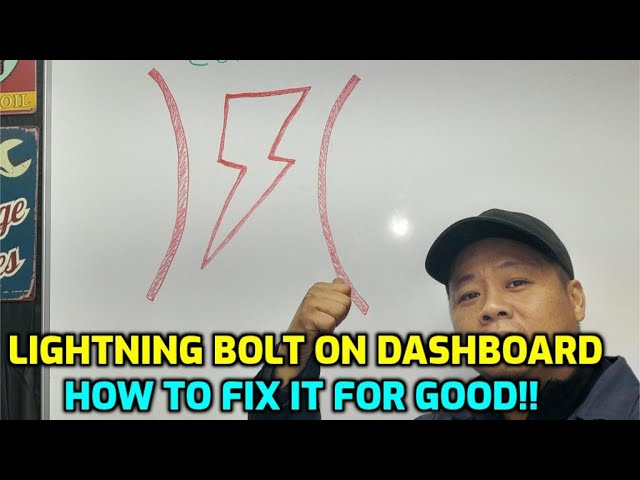
Understanding the ETC Light: What It Means When It Comes On
The ETC light, or Electronic Throttle Control light, is an important indicator on your vehicles dashboard that signals a potential issue with the throttle control system. When this light comes on, it typically means that the vehicles computer has detected a problem in the throttle system, which could affect the engines performance and overall drivability. Understanding what this light means is crucial for maintaining your vehicles health and ensuring safe operation.
When the ETC light illuminates, it can indicate various issues, including:
- Faulty Throttle Position Sensor: This sensor measures the position of the throttle plate and communicates with the engine control unit (ECU). If it malfunctions, it can lead to erratic engine performance.
- Wiring or Connector Problems: Damaged wiring or poor connections within the throttle control system can disrupt communication between components, triggering the ETC light.
- Software Glitches: Sometimes, a simple software issue in the ECU can cause the ETC light to activate. A reset or update may be required.
In some cases, the ETC light may be accompanied by other warning lights or symptoms, such as a loss of acceleration or unresponsive throttle. This could indicate a more severe issue that requires immediate attention. Its important to note that ignoring the ETC light can lead to further complications, such as reduced fuel efficiency or even engine damage.
If the ETC light comes on, it is advisable to have your vehicle diagnosed by a professional mechanic. They can run a diagnostic test to identify the specific issue and recommend the necessary repairs. Addressing problems related to the ETC system promptly can help ensure your vehicle operates smoothly and safely.
Common Reasons Why the ETC Light Came On and Then Went Off
The Electronic Throttle Control (ETC) light is a crucial indicator in modern vehicles, alerting drivers to potential issues with the throttle system. When the ETC light illuminates and then turns off, it can leave drivers puzzled about the underlying cause. Understanding the common reasons for this behavior can help you determine whether immediate attention is needed or if it’s safe to continue driving.
1. Temporary Sensor Malfunction
One of the most frequent reasons for the ETC light to activate temporarily is a brief malfunction of the throttle position sensor. This sensor monitors the position of the throttle and sends data to the engine control unit (ECU). If it experiences a momentary glitch due to dirt, moisture, or electrical interference, the ETC light may come on. Once the sensor resets or the issue resolves itself, the light can turn off.
2. Engine Load Changes
Another common cause for the ETC light to illuminate and then disappear is a sudden change in engine load. For instance, when accelerating rapidly or going uphill, the throttle may demand more power, triggering the light. Once the engine stabilizes or the load returns to normal, the ETC light can switch off. This behavior is typically normal and may not indicate a serious issue.
3. Faulty Wiring or Connections
Issues related to wiring or connections within the throttle control system can also lead to the ETC light coming on. Loose or corroded connections may cause intermittent signals to the ECU, prompting the light to activate. If the connection is restored or the wiring problem is resolved, the light may turn off. Regular inspections can help prevent such issues from occurring.
4. Software Updates
In some cases, the vehicles software may require updates to optimize the performance of the throttle control system. If the ECU detects an inconsistency or outdated software, it might trigger the ETC light. After the necessary updates are completed, the light may turn off. Keeping your vehicles software up to date can help minimize these occurrences.
What to Do If Your ETC Light Flashes Briefly
If your Electronic Throttle Control (ETC) light flashes briefly, it can be a cause for concern, signaling potential issues with your vehicles throttle system. The first step is to remain calm and not panic. A brief flash may indicate a temporary glitch or a minor issue, but it’s essential to take it seriously.
1. Check for Diagnostic Codes: Use an OBD-II scanner to check for any diagnostic trouble codes (DTCs). These codes can provide insights into what might be triggering the ETC light. If you dont have access to a scanner, most auto parts stores offer free diagnostic services.
2. Inspect Throttle Components: Visually inspect the throttle body and related components for any signs of damage or wear. Look for loose or disconnected wires, which can sometimes cause the ETC light to activate. Ensuring that everything is properly connected can resolve minor issues.
3. Monitor Vehicle Performance: Pay attention to how your vehicle is performing. If you notice any irregularities, such as hesitation during acceleration or unusual engine behavior, it may indicate a deeper issue. In such cases, it’s advisable to consult a professional mechanic for a thorough inspection.
4. Reset the System: Sometimes, resetting the vehicle’s computer can clear temporary faults. You can do this by disconnecting the battery for a few minutes, then reconnecting it. However, be cautious as this may reset other settings in your vehicle. If the light reappears, further diagnosis is necessary.
How to Diagnose and Fix ETC Light Issues in Your Vehicle
When the Electronic Throttle Control (ETC) light illuminates on your vehicles dashboard, it signals a potential issue with the throttle system. Diagnosing the problem requires a systematic approach. Start by checking the vehicles onboard diagnostic system using an OBD-II scanner. This tool will provide you with error codes that can help pinpoint the specific malfunction. Common codes related to ETC issues include P0120 to P0124, which indicate problems with the throttle position sensor or the throttle body itself.
Steps to Diagnose ETC Light Issues:
- Connect an OBD-II scanner to the vehicles diagnostic port.
- Record any error codes that appear and research their meanings.
- Inspect the throttle body and wiring for visible damage or loose connections.
- Check the throttle position sensor for proper function.
Once youve identified the problem, fixing the ETC light issue can vary based on the diagnosis. If the issue is a faulty throttle position sensor, replacing it may resolve the problem. In cases where the throttle body is dirty or clogged, a thorough cleaning can restore proper function. Ensure that all electrical connections are secure and free from corrosion, as these can often cause communication issues between the throttle components and the engine control unit (ECU).
In some instances, after repairs are made, you may need to reset the vehicles ECU to clear the ETC light. This can often be done by disconnecting the battery for a few minutes or using the OBD-II scanner to clear the codes. After resetting, take the vehicle for a test drive to ensure that the ETC light does not reappear and that the throttle system operates smoothly. If the light persists, further diagnosis may be necessary to uncover underlying issues that werent initially detected.
Preventing Future ETC Light Warnings: Tips for Vehicle Maintenance
Maintaining your vehicle is essential for ensuring optimal performance and preventing the dreaded ETC (Electronic Throttle Control) light from illuminating on your dashboard. Regular maintenance not only keeps your car running smoothly but also helps you avoid costly repairs down the road. Here are some effective tips to keep your vehicle in top shape and minimize the risk of ETC light warnings.
1. Regularly Check and Replace Filters
The air and fuel filters in your vehicle play a crucial role in maintaining engine efficiency. Clogged filters can lead to poor throttle response and trigger the ETC light. To prevent this, make it a habit to:
- Inspect air filters every 12,000 miles and replace them as needed.
- Change fuel filters according to your vehicle’s manufacturer recommendations, typically every 30,000 to 50,000 miles.
2. Monitor and Maintain Fluid Levels
Proper fluid levels are vital for the smooth operation of your vehicles systems. Low or dirty fluids can lead to performance issues, including throttle control problems. Ensure you:
- Check engine oil regularly and change it every 5,000 to 7,500 miles.
- Inspect transmission fluid and coolant levels, topping them off as necessary.
3. Keep the Throttle Body Clean
A dirty throttle body can significantly affect your vehicles performance and may cause the ETC light to come on. To keep it clean, you should:
- Clean the throttle body every 30,000 miles or as recommended by your vehicle’s manual.
- Use a throttle body cleaner to remove carbon buildup and ensure smooth operation.
Regular vehicle maintenance is key to preventing future ETC light warnings. By staying on top of these essential tasks, you can help ensure your vehicle operates efficiently and reliably, reducing the likelihood of unexpected dashboard alerts.
Did you like this content ETC Light Came On Then Went Off: Causes and Solutions Explained See more here General Mechanics.

Leave a Reply