
How Fast Can a Mini Cooper S Go? Top Speed, 0-60 Times, and Real-World Performance
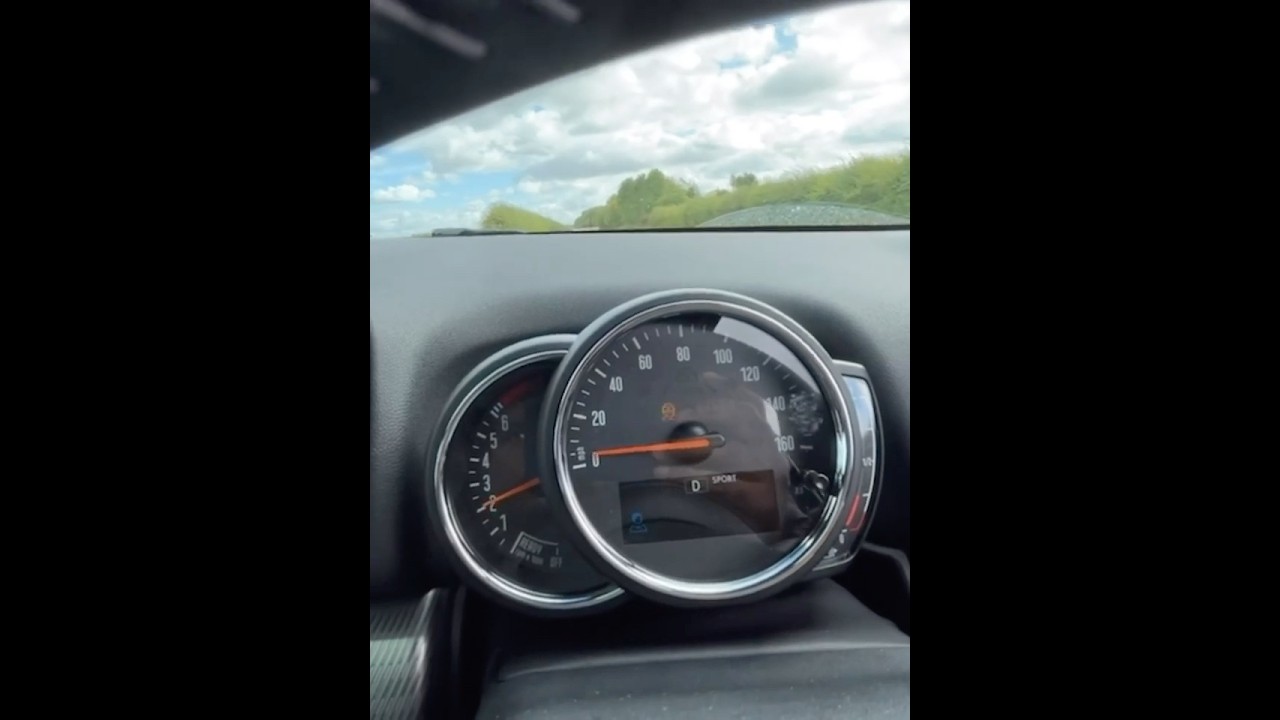
- How Fast Can a Mini Cooper S Go? Factory Top Speed (mph & km/h)
- Mini Cooper S Acceleration: 0–60 mph and 0–100 km/h Performance
- What Affects a Mini Cooper S’s Top Speed — Model Years, Engine Options, and Modifications
- Real-World Tests: How Fast Does a Mini Cooper S Go on Road, Highway, and Track?
- Mini Cooper S vs Competitors (Including John Cooper Works): Top Speed and Performance Comparison
How Fast Can a Mini Cooper S Go? Factory Top Speed (mph & km/h)
Factory-rated top speed for the Mini Cooper S depends on generation and engine tune, but most factory specs place it in the low-to-mid 140s mph. A typical modern Cooper S is rated at about 146 mph (≈ 235 km/h), while earlier supercharged or first turbo generations are commonly listed nearer 140 mph (≈ 225 km/h). These factory figures reflect the stock powertrain, gearing and aerodynamic setup as delivered from the factory.
By generation (factory-rated)
- F56 (2014–present Cooper S): ~146 mph (≈ 235 km/h)
- R56 (2007–2013 Cooper S): ~140 mph (≈ 225 km/h)
- R53 (2002–2006 Cooper S): ~140 mph (≈ 225 km/h)
Factory top speed figures are determined by the engine’s peak power and torque, transmission gearing, final drive ratios and aerodynamic drag; electronic limiters and tire ratings can also define the official number. While aftermarket tuning, different gear ratios or higher-performance variants can push speed higher, the factory-stated mph and km/h above reflect the stock Mini Cooper S as sold by the manufacturer.
Mini Cooper S Acceleration: 0–60 mph and 0–100 km/h Performance
The Mini Cooper S acceleration is one of the defining traits that separates the S from the standard Cooper, with a turbocharged engine and sport-tuned drivetrain that prioritize quick response off the line and lively midrange thrust. Buyers commonly look at the 0–60 mph and 0–100 km/h figures as shorthand for the car’s real-world quickness; because 100 km/h is essentially 62 mph, those two metrics are nearly identical benchmarks used by reviewers and shoppers worldwide.
Under acceleration, the Cooper S delivers a punchy turbo spool and a flat torque curve that helps it accelerate briskly through the most commonly used speed ranges for everyday driving and highway on-ramps. Transmission choice, gear ratios, and traction systems affect how that power converts to measurable 0–60 and 0–100 performance: a quick-shifting automatic can be faster on the clock in traffic, while a precise manual often gives a more engaging launch when optimized.
Factors that commonly influence published and real-world 0–60/0–100 times include:
- Model year and specific S variant or performance pack
- Transmission type (manual vs automatic/DCT) and gear ratios
- Tire compound, road surface, ambient temperature, and altitude
- Vehicle weight from options and fuel load, plus driver technique
Factory figures for the Mini Cooper S acceleration provide a useful comparison point, but independent tests and owner experience often reveal a range of results depending on setup and conditions. For shoppers focused on sprint times, looking at model-specific test data and understanding how accessories, tires, and driving mode influence 0–60 mph and 0–100 km/h measurements will give the clearest picture of real-world performance.
What Affects a Mini Cooper S’s Top Speed — Model Years, Engine Options, and Modifications
The Mini Cooper S’s top speed is shaped strongly by the generation and model year because each update brought changes to aerodynamics, chassis stiffness, weight, and factory powertrain calibrations. Early supercharged models and later turbocharged variants were tuned differently at the factory, and bodywork revisions or optional aero packages on specific model years can reduce drag or increase stability at high speeds. When researching Mini Cooper S top speed, always consider the specific model year and trim, since those design choices directly affect achievable maximum velocity and how the car behaves as it approaches it.
Engine options are another primary determinant: differences in induction (supercharger vs. turbocharger), engine displacement, and tuning produce distinct power and torque curves that influence acceleration to and sustainment of top speed. Transmission pairing and final drive ratios also matter — a taller gearset can raise theoretical top speed while a shorter setup improves acceleration but limits peak velocity. Higher-performance variants such as John Cooper Works (JCW) models come with more aggressive engine and transmission calibrations, which typically shift the balance toward higher top-end capability.
Common performance modifications that affect top speed
- ECU remap/tuning — raises power and removes factory electronic limitations, often the most effective single change for increasing top speed potential.
- Forced induction upgrades — turbocharger or supercharger upgrades and supporting hardware (bigger intercoolers, fuel systems) increase peak power but require complementary mods.
- Intake/exhaust — high-flow intakes, downpipes, and exhaust systems reduce restrictions and can improve top-speed performance when combined with tuning.
- Final drive/gear changes — altering gear ratios can shift the speed/acceleration trade-off to favor a higher top speed.
- Aero and weight — aerodynamic enhancements and weight reduction help overcome drag and improve the car’s ability to reach higher speeds.
Ultimately, reaching higher top speeds on a Mini Cooper S is a balance between the car’s factory model-year characteristics, the chosen engine variant, and any modifications — plus auxiliary factors like cooling capacity, tire ratings, traction, and the transmission’s limits. Many upgrades that increase top speed also increase stress on the drivetrain and require supporting changes for reliability and safety, and factory electronic limiters or gear ratios can be key constraints that must be addressed alongside power increases.
Real-World Tests: How Fast Does a Mini Cooper S Go on Road, Highway, and Track?
Real-world acceleration for a Mini Cooper S depends a lot on model year, transmission and tires, but modern Cooper S models typically deliver brisk off-the-line performance. Expect low-to-mid 6-second 0–60 mph figures in well-equipped recent versions, with older generations generally a bit slower. Transmission choice (manual vs automatic/dual-clutch) and launch technique will noticeably affect sprint times, while rolling acceleration and midrange torque are where the Cooper S often feels quicker than its curb weight suggests.
On the road and highway, the Mini Cooper S is built for lively, confidence-inspiring driving rather than long-haul high-speed cruising. Highway merges and overtakes are made easy by a punchy turbocharger and short gear ratios, but cruising refinement, wind noise and fuel economy vary by trim and wheel choice. Top-speed capabilities vary by model and are often higher than legal limits; real-world highway testing focuses more usefully on passing acceleration, sustained 70–80+ mph stability, and adaptive cruise or electronic aids rather than absolute maximum speed.
At the track, the Cooper S shines as a nimble, engaging hot-hatch with crisp steering and a balanced chassis that rewards momentum-carrying drivers. In short sessions it can deliver very competitive lap times within small-car classes, but repeated hard laps will expose limits in braking, cooling and rear-end grip without upgraded brakes, tires and cooling. Drivers report that tire selection, brake compounds and suspension setup make the biggest difference to lap performance; the stock setup is highly capable but benefits quickly from track-focused upgrades.
Real-world test variables to watch include driver skill, ambient temperature and altitude, tire condition and pressure, fuel load and vehicle weight. Useful on-road and track metrics to record are 0–60 and 30–70 mph passing times, braking distance from highway speeds, sustained high-speed stability, lap times, and post-session brake temperatures. Comparing like-for-like (same tires, driver and day) is critical to get meaningful answers about how fast a Mini Cooper S really is on road, highway and track.
Mini Cooper S vs Competitors (Including John Cooper Works): Top Speed and Performance Comparison
The table-top comparison between the Mini Cooper S and its rivals centers on how the car balances top speed with everyday performance. The Cooper S is positioned as a sporty, compact option that blends turbocharged punch with nimble chassis dynamics, making it competitive against small performance cars from Audi, Volkswagen, Ford and Hyundai. When searching for terms like "Mini Cooper S top speed" or "performance comparison", buyers are often weighing straight-line velocity against handling, braking and drivability — areas where the Cooper S typically shines thanks to its lightweight feel and responsive steering.
Against common competitors — the Audi A1, Volkswagen Polo GTI, Ford Fiesta ST and Hyundai i20 N — the Cooper S usually trades absolute straight-line dominance for a more engaging driving character. Many rivals prioritize peak power and torque curves that favor rapid top-speed runs or higher mid-range thrust; the Cooper S instead emphasizes cornering agility, chassis feedback and a short gearing feel that accelerates the perception of speed even if peak numbers are similar. That dynamic can make the Cooper S feel faster on twisty roads even when it sits mid-pack in pure top-speed comparisons.
The John Cooper Works (JCW) models are the high-performance answer within Mini’s lineup and are engineered specifically to close the gap with, or exceed, many hot-hatch competitors in both top speed and acceleration. JCW upgrades typically include increased turbo output, firmer suspension tuning, stronger brakes, and sportier transmission calibrations — all translating to higher measured top speeds and quicker real-world passing performance compared with the standard Cooper S. For buyers focused on outright performance, the JCW is the logical step up within the Mini family before moving to larger or more power-focused rivals.
Real-world performance comparisons should account for more than just factory top-speed figures: transmission choice, final drive ratios, weight, aerodynamic setup, tire specification and driver skill all heavily influence measured speed and lap times. Additionally, factory and aftermarket tuning options can alter the balance between top speed and drivability, meaning a stock Cooper S might be outpaced by a tuned competitor, while a JCW with sport options can outperform many rivals on track. For SEO searchers comparing "Cooper S vs JCW" or "Cooper S vs competitors top speed", those contextual factors are key to understanding how headline numbers translate to everyday and performance driving.
Did you like this content How Fast Can a Mini Cooper S Go? Top Speed, 0-60 Times, and Real-World Performance See more here General Mechanics.

Leave a Reply