
How Much Does It Cost to Bag a Car? Complete Pricing Guide
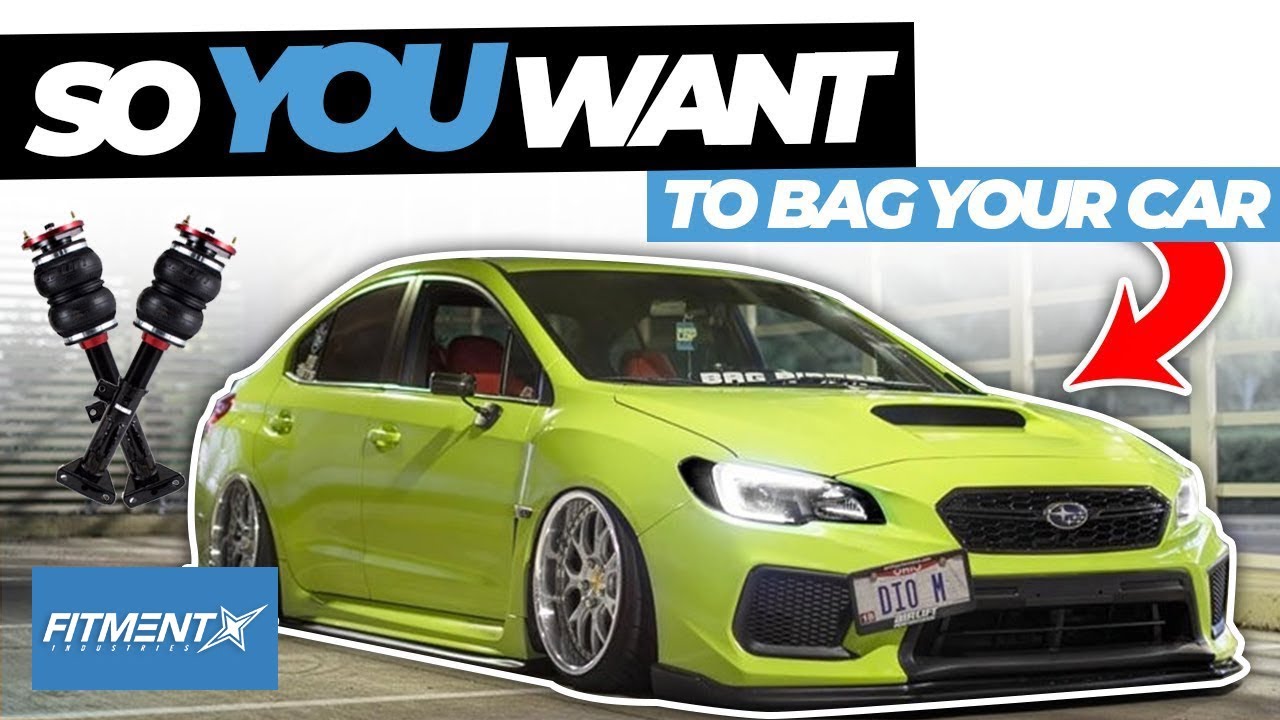
Bagging a car, or lowering it with air suspension, is a popular modification that enhances both aesthetics and performance. However, the costs associated with this transformation can vary significantly based on several factors. Understanding these costs is crucial for anyone considering this upgrade, as it helps in budgeting and planning for the project.
Initial Costs of Air Suspension Kits
The primary expense in bagging a car comes from purchasing an air suspension kit. Prices for these kits can range from $1,000 to $5,000 or more, depending on the brand, quality, and features. Higher-end kits often include advanced technology such as wireless controls and adjustable ride heights, which can add to the overall cost. Additionally, you may need to factor in the cost of additional components, such as air tanks and compressors, which can range from $300 to $1,200.
Installation Costs
Another significant aspect of the total cost is installation. If you are not a DIY enthusiast, hiring a professional to install the air suspension system is recommended. Installation fees can vary widely, generally ranging from $500 to $1,500, depending on the complexity of the setup and the labor rates in your area. Some shops may offer package deals that include both the kit and installation, which can help save on overall costs.
Ongoing Maintenance and Additional Expenses
Once your car is bagged, ongoing maintenance is another cost to consider. Air suspension systems require regular checks and occasional replacements of parts such as air lines and bags. Budgeting an additional $100 to $300 per year for maintenance can help you avoid unexpected expenses. Furthermore, if you choose to customize your setup further with aftermarket parts, the costs can add up quickly. Always keep in mind that the total investment in bagging a car goes beyond the initial purchase and installation, encompassing long-term maintenance and potential upgrades.
Factors Influencing the Price: What Determines How Much it Costs to Bag a Car?
When considering the cost of bagging a car, several key factors come into play that can significantly influence the final price. Understanding these elements is crucial for both buyers and sellers in the automotive market.
1. Vehicle Make and Model
The make and model of the car are primary determinants of its bagging price. Certain brands, especially luxury or high-performance vehicles, tend to command higher prices due to their reputation, reliability, and resale value. Factors to consider include:
- Brand Reputation: Established brands with a strong history of quality often have higher demand.
- Model Popularity: Limited edition or popular models can see increased prices.
- Features and Specifications: Cars equipped with advanced technology or luxury features may also cost more to bag.
2. Condition of the Vehicle
The physical and mechanical condition of the car is another significant factor. A well-maintained vehicle with no history of accidents will generally have a higher bagging price compared to one that has visible wear and tear. Key aspects include:
- Mileage: Lower mileage typically indicates less wear and can increase value.
- Maintenance History: A documented history of regular maintenance can enhance a vehicle’s appeal.
- Exterior and Interior Condition: A clean, well-cared-for vehicle will attract a better price.
3. Market Trends and Demand
The broader automotive market trends and demand for specific types of vehicles can also influence bagging costs. Economic factors, seasonal variations, and shifts in consumer preferences play a significant role. For instance:
- Seasonal Demand: Convertibles may be more sought after during summer months.
- Fuel Prices: In times of high fuel prices, fuel-efficient cars may see an increase in demand.
- Economic Conditions: During economic downturns, buyers may lean towards more affordable options, affecting prices.
Understanding these factors can help potential buyers and sellers navigate the complexities of car pricing, ensuring they make informed decisions in the automotive marketplace.
Comparative Analysis: How Much is it to Bag a Car vs. Other Vehicle Purchase Options?
When considering how much it costs to bag a car compared to other vehicle purchase options, its essential to analyze the various financial aspects involved. Bagging a car, which typically refers to purchasing a vehicle outright or through financing, involves several costs, including the initial purchase price, taxes, registration fees, and ongoing expenses like insurance and maintenance. In contrast, other options such as leasing or renting a vehicle present different financial commitments and advantages.
Costs Associated with Buying a Car
When you decide to buy a car, whether new or used, the upfront costs can be significant. Here are some typical expenses to consider:
- Purchase Price: The base cost of the vehicle, which can vary widely based on make, model, and condition.
- Sales Tax: Often a percentage of the purchase price, this can add a considerable amount to the total cost.
- Registration Fees: Fees for registering the vehicle with the state, which can vary based on location.
- Insurance Costs: Required to drive legally, insurance premiums can vary based on the vehicle type and the drivers history.
- Maintenance and Repairs: Ongoing costs that can add up over time, especially for older vehicles.
Leasing and Renting: An Alternative Approach
Leasing a vehicle generally requires lower initial payments compared to purchasing, making it an attractive option for those who prefer driving newer models without the long-term commitment. The costs associated with leasing include:
- Down Payment: Typically lower than that of purchasing, often just a few hundred dollars.
- Monthly Payments: Generally lower than car loans, as you’re paying for the vehicles depreciation during the lease term.
- Mileage Limits: Leases often come with mileage restrictions, which could incur additional fees if exceeded.
- Insurance Requirements: Leasing companies may require higher coverage levels, impacting overall costs.
Renting a vehicle, on the other hand, offers the ultimate flexibility but can become expensive for longer durations. The cost breakdown typically includes:
- Daily Rental Rate: Varies significantly based on the vehicle type and rental company.
- Fuel Costs: Responsibility falls on the renter, often leading to additional expenses.
- Insurance Options: Renters may need to purchase additional insurance for the rental period.
Overall, while bagging a car may involve higher upfront costs, leasing and renting provide varying degrees of flexibility and lower initial investments, each with their own long-term financial implications.
Cost Breakdown: What are the Additional Expenses When You Bag a Car?
When you decide to bag a car, the initial purchase price is just the tip of the iceberg. There are several additional expenses that can significantly impact your budget. Understanding these costs is crucial for anyone looking to customize their vehicle with air suspension systems.
Installation Costs
One of the most significant expenses you’ll encounter is the installation of the air suspension system. Professional installation is highly recommended to ensure safety and proper functionality. Depending on the complexity of the system and the labor rates in your area, installation costs can range from $500 to $2,000. Its essential to factor in these costs when planning your overall budget.
Maintenance and Repairs
After bagging your car, you will need to consider ongoing maintenance and potential repairs. Air suspension systems require regular inspections and maintenance to ensure they are functioning correctly. Common maintenance tasks include checking air lines, inspecting the compressor, and monitoring air pressure. Budgeting $100 to $300 annually for maintenance can help you stay ahead of any potential issues. Additionally, if any components fail, replacement parts can add another $200 to $1,000 to your expenses.
Insurance and Registration Fees
Upgrading to a bagged car may also affect your insurance premiums and registration fees. Insurance companies might classify your vehicle as a modified car, which can lead to higher premiums. Its wise to contact your insurance provider for a quote to understand how much your rates may increase. Furthermore, some states impose additional registration fees for modified vehicles, which can range from $50 to $200. These costs are essential to consider to avoid any surprises down the line.
By accounting for these additional expenses, you can better prepare yourself financially for the commitment of bagging a car.
Expert Tips: How to Minimize Costs When Bagging a Car
When it comes to bagging a car, managing expenses is crucial to ensuring that your project remains within budget. Here are some expert tips to help you minimize costs while achieving the desired look and performance.
1. Plan Your Budget Carefully
Before diving into the bagging process, its essential to outline a detailed budget. Include all potential costs, such as parts, labor, and any additional modifications you may need. This will help you avoid overspending. Consider using a cost breakdown spreadsheet to keep track of expenses and adjust as necessary.
2. Do Your Research
Take the time to research various brands and suppliers for air suspension kits and components. Prices can vary significantly, so look for reputable vendors offering competitive pricing. Dont forget to check for discounts or promotions that may be available, which can help you save money on essential parts.
3. Consider DIY Installation
If you have some mechanical skills, consider tackling the installation yourself. DIY projects can save you substantial labor costs. However, make sure you have access to the right tools and resources, such as online tutorials or forums, to guide you through the process. If youre unsure, enlist a friend with experience to assist you, which can also help lower costs.
4. Buy Used or Refurbished Parts
Another way to cut costs is by purchasing used or refurbished parts. Many car enthusiasts sell their old components at a fraction of the price. Websites like eBay, Craigslist, or local car forums can be great places to find these deals. Just ensure that the parts are in good condition and compatible with your vehicle to avoid future expenses.
Did you like this content How Much Does It Cost to Bag a Car? Complete Pricing Guide See more here General Mechanics.

Leave a Reply