
How to Check the Oil on a BMW: Step-by-Step Guide for Owners
Understanding the Importance of Checking Oil in Your BMW
Regularly checking the oil in your BMW is crucial for maintaining its performance and longevity. Engine oil plays a vital role in lubricating moving parts, reducing friction, and dissipating heat. Over time, oil can become contaminated with dirt and debris, leading to potential engine damage if not monitored properly. By understanding the importance of regular oil checks, BMW owners can ensure their vehicles operate smoothly and efficiently.
Benefits of Regular Oil Checks:
- Prevents Engine Wear: Fresh oil helps minimize wear on engine components, extending the lifespan of your vehicle.
- Improves Fuel Efficiency: Clean oil reduces friction, allowing your engine to operate more efficiently and improving fuel economy.
- Reduces Emissions: Regular oil changes help reduce harmful emissions, making your BMW more environmentally friendly.
- Enhances Performance: Maintaining optimal oil levels ensures your engine runs at its best, providing a smoother driving experience.
Checking your oil regularly is not only about maintaining performance; it’s also about safety. Low oil levels can lead to overheating and engine failure, which can result in costly repairs and unsafe driving conditions. For BMW owners, adhering to the manufacturer’s recommended oil change intervals and conducting routine checks can prevent these issues and keep your vehicle in top condition.
In addition to enhancing performance and safety, regular oil checks can save you money in the long run. By identifying potential problems early, you can address them before they escalate into more serious and expensive repairs. Furthermore, maintaining proper oil levels contributes to better resale value, as a well-maintained engine is a key selling point for potential buyers.
Step-by-Step Guide: How to Check the Oil Level on a BMW
Checking the oil level in your BMW is an essential part of vehicle maintenance that helps ensure optimal engine performance. Regular oil checks can prevent engine wear and tear, prolonging the life of your vehicle. Follow this step-by-step guide to accurately check the oil level in your BMW.
Step 1: Prepare Your Vehicle
Before you begin, ensure your BMW is parked on a level surface. This will provide an accurate reading of the oil level. Turn off the engine and wait for about 10 minutes to allow the oil to settle back into the oil pan. This waiting period is crucial as it ensures that the oil is evenly distributed.
Step 2: Locate the Dipstick
Open the hood of your BMW and locate the oil dipstick. In most models, the dipstick has a bright-colored handle (usually yellow or orange) for easy identification. Pull the dipstick out gently and wipe it clean with a lint-free cloth or paper towel. This step is important to remove any oil residue that may give a false reading.
Step 3: Check the Oil Level
Reinsert the dipstick fully back into the tube and pull it out again to check the oil level. Look at the markings on the dipstick; there will typically be two marks indicating the minimum and maximum oil levels.
- Low Oil Level: If the oil level is below the minimum mark, you need to add oil.
- Optimal Oil Level: If the oil level is between the two marks, your oil level is adequate.
- High Oil Level: If the oil level is above the maximum mark, you may need to drain some oil to avoid engine damage.
Make sure to also check the oils color and consistency. Healthy oil should be amber in color and free from debris. If it appears dark and gritty, consider changing the oil for optimal engine health.
Essential Tools You Need to Check BMW Engine Oil
To effectively check the engine oil in your BMW, having the right tools is crucial. Proper maintenance not only ensures the longevity of your vehicle but also helps maintain its performance. Here’s a list of essential tools that will make the process straightforward and efficient.
1. Oil Dipstick
The oil dipstick is one of the most fundamental tools for checking engine oil levels. In BMW vehicles, the dipstick is typically marked with clear indicators for minimum and maximum oil levels. Make sure to pull the dipstick out, wipe it clean, and then reinsert it to get an accurate reading. This tool allows you to easily determine if your oil levels are adequate or if a top-up is necessary.
2. Funnel
When adding oil, a funnel is an indispensable tool. It helps to prevent spills and ensures that you pour the oil directly into the engine without any mess. Choose a funnel that fits snugly into the oil filler cap of your BMW to make the process cleaner and more efficient. Using a funnel also reduces the risk of contaminants entering the engine oil.
3. Oil Catch Pan
If youre planning to change your engine oil, an oil catch pan is essential. This tool collects the old oil during the draining process, preventing spills and ensuring a clean workspace. Look for a catch pan that has a large capacity and a spout for easy pouring. Proper disposal of used oil is important for environmental reasons, so having a catch pan makes this task easier.
4. Torque Wrench
A torque wrench is necessary for ensuring that the oil drain plug is tightened to the manufacturer’s specifications. Over-tightening can damage the oil pan, while under-tightening can lead to leaks. Using a torque wrench helps maintain the integrity of your BMWs engine components.
Common Signs That Your BMW Oil Needs Checking
Regular oil checks are crucial for maintaining the performance and longevity of your BMW. Being aware of the signs that indicate your oil needs attention can prevent serious engine damage. Here are some common indicators that its time to check your BMWs oil.
1. Oil Warning Light
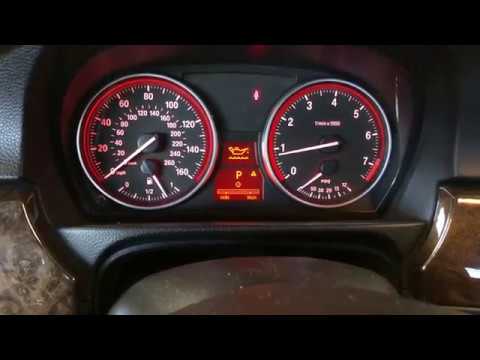
One of the most immediate signs that your BMW oil needs checking is the oil warning light on your dashboard. This light typically illuminates when the oil level is low or when the oil pressure drops below the recommended level. If you see this warning light, it’s important to check your oil immediately and top it up if necessary.
2. Unusual Engine Noises
If you start hearing strange noises coming from your engine, such as knocking or tapping sounds, it could be a sign that your oil is low or dirty. Engine oil lubricates moving parts, and when its insufficient or degraded, it can lead to increased friction and potential damage. Pay attention to these sounds, as they can indicate a need for an oil check.
3. Oil Leaks
Visible oil leaks under your BMW can be a clear sign that your oil needs checking. If you notice dark, oily spots on your driveway or garage floor, it’s time to investigate further. Not only does this indicate that your oil level may be dropping, but it could also point to potential issues with seals or gaskets that need to be addressed.
4. Increased Exhaust Smoke
Another sign that your BMW oil may need checking is the presence of blue or gray smoke coming from the exhaust. This can indicate that the engine is burning oil, which could be due to low oil levels or other internal issues. If you notice any unusual smoke, it’s essential to check your oil and consult a professional if necessary.
By keeping an eye out for these common signs, you can ensure that your BMWs oil is always in optimal condition, ultimately enhancing your vehicles performance and reliability.
Frequently Asked Questions About Checking Oil in BMW Vehicles
When it comes to maintaining your BMW, understanding how to check the oil is crucial for ensuring optimal performance and longevity. Here are some frequently asked questions regarding this essential maintenance task.
1. How often should I check the oil in my BMW?
Its generally recommended to check the oil level in your BMW at least once a month, especially if you frequently drive long distances or in harsh conditions. Additionally, always check the oil before embarking on a long trip. Regular checks can help you identify any potential leaks or issues before they escalate.
2. What is the correct procedure for checking oil in a BMW?
To check the oil in your BMW, follow these simple steps:
- Park your vehicle on a level surface and turn off the engine.
- Wait for a few minutes to allow the oil to settle.
- Open the hood and locate the dipstick, which is typically marked with a bright handle.
- Pull out the dipstick, wipe it clean with a cloth, and reinsert it fully.
- Remove the dipstick again and check the oil level against the markings.
If the oil level is below the recommended mark, its time to add oil.
3. What type of oil should I use for my BMW?
BMW vehicles often require specific oil types to ensure optimal engine performance. Always refer to your owner’s manual for the manufacturer’s recommendations. Typically, BMW engines perform best with synthetic oil that meets the BMW Longlife specifications. Using the correct oil not only enhances engine efficiency but also helps maintain warranty coverage.
4. How do I know if my BMW oil needs to be changed?
Apart from checking the oil level, you should also be attentive to the oils condition. If the oil appears dark, gritty, or has a burnt smell, it’s a sign that it may need to be changed. Additionally, BMW vehicles often come equipped with an oil life monitoring system that alerts you when it’s time for an oil change based on driving habits and conditions.
Did you like this content How to Check the Oil on a BMW: Step-by-Step Guide for Owners See more here General Mechanics.

Leave a Reply