
Insurance Institute Driver Assist Systems Are Unsafe: What You Need to Know
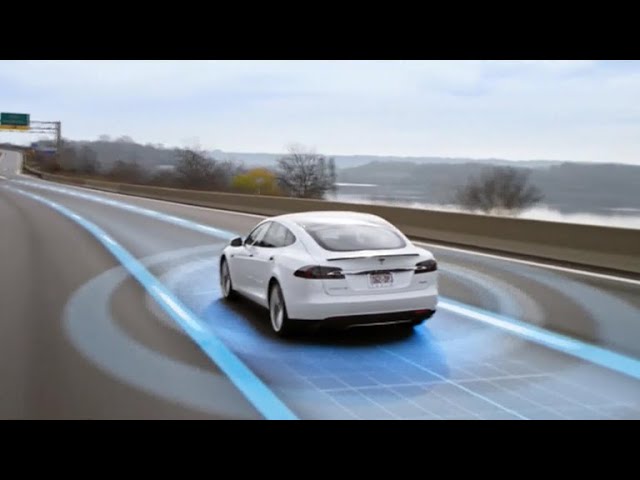
- Why the Insurance Institute Questions the Safety of Driver Assist Systems
- Common Risks Associated with Driver Assist Systems According to the Insurance Institute
- Real-World Incidents Highlighting the Dangers of Driver Assist Technologies
- Expert Opinions on the Limitations of Insurance Institute-Approved Driver Assist Systems
- What Drivers Need to Know About the Safety Concerns Raised by the Insurance Institute
Why the Insurance Institute Questions the Safety of Driver Assist Systems
The Insurance Institute for Highway Safety (IIHS) has raised concerns regarding the safety of driver assist systems, primarily due to the inconsistent performance of these technologies in real-world driving conditions. While driver assist features such as lane-keeping assist, adaptive cruise control, and automatic emergency braking are designed to reduce human error and improve road safety, the IIHS has identified significant variability in how effectively these systems operate across different vehicle models and environments. This inconsistency can lead to a false sense of security among drivers, potentially increasing the risk of accidents.
One of the key reasons the IIHS questions these systems is their occasional failure to detect stationary objects or pedestrians accurately. In some instances, driver assist systems have struggled to recognize obstacles in complex traffic scenarios, leading to delayed or insufficient braking responses. The IIHS testing highlights that certain systems may perform well under ideal conditions but falter when faced with adverse weather, poor lighting, or unusual road layouts. Such limitations suggest that these technologies are not yet reliable enough to replace attentive human driving.
Moreover, the IIHS points out that driver assist systems can sometimes encourage complacency behind the wheel. When drivers over-rely on automation, their attention to the road may diminish, reducing their ability to respond promptly to unexpected hazards. This behavioral impact is a critical factor in the Institute’s cautious stance, as the effectiveness of driver assist technologies ultimately depends on maintaining driver engagement and situational awareness.
The Insurance Institute’s rigorous evaluation methods have also revealed that many driver assist systems lack standardized performance benchmarks, making it difficult for consumers to compare safety features objectively. Without clear and consistent metrics, drivers may be unaware of the varying levels of protection offered by different systems. This transparency gap underscores the IIHS’s call for more stringent testing protocols and clearer communication from manufacturers regarding the capabilities and limitations of driver assist technologies.
Common Risks Associated with Driver Assist Systems According to the Insurance Institute
The Insurance Institute for Highway Safety (IIHS) has identified several common risks associated with driver assist systems that vehicle owners should be aware of. While these technologies are designed to enhance safety and reduce accidents, they are not foolproof and can sometimes contribute to new types of risks on the road. One primary concern highlighted by the IIHS is driver overreliance on these systems, which can lead to reduced attention and slower reaction times in critical situations.
Another significant risk involves the limitations of the technology itself. Driver assist systems, such as adaptive cruise control and lane-keeping assist, rely heavily on sensors and cameras that may not perform optimally in adverse weather conditions like heavy rain, fog, or snow. The IIHS emphasizes that sensor malfunctions or misinterpretations can cause unexpected vehicle behavior, potentially increasing the likelihood of collisions if drivers are not prepared to take immediate control.
Moreover, the Insurance Institute points out that the complexity of these systems can sometimes confuse drivers. The variety of features and inconsistent naming conventions across different manufacturers may lead to misunderstandings about the capabilities and limitations of each system. This confusion can result in misuse or overestimation of the technology’s effectiveness, which poses a safety risk.
Key risks identified by the Insurance Institute include:
- Driver complacency and reduced situational awareness
- Sensor and system limitations in adverse weather or complex traffic environments
- Inconsistent user interfaces and feature understanding across different vehicles
- Potential for unexpected system disengagement or failure
Real-World Incidents Highlighting the Dangers of Driver Assist Technologies
Driver assist technologies, while designed to enhance safety, have been implicated in several real-world incidents that underscore their limitations and potential risks. One notable example involves Tesla’s Autopilot system, which has been associated with multiple high-profile crashes. In several cases, drivers relying too heavily on the system failed to intervene in time, leading to collisions with stationary vehicles or road barriers. These incidents highlight how overreliance on driver assist features can result in dangerous situations when the technology encounters scenarios it cannot adequately handle.
Another significant incident occurred with a vehicle equipped with General Motors’ Super Cruise technology, where the system failed to detect a stopped emergency vehicle. The driver, trusting the assist system to manage braking and steering, was caught off guard, leading to a rear-end collision. This case demonstrates that driver assist technologies, while advanced, are not infallible and may struggle with unexpected road hazards or emergency scenarios, requiring constant driver vigilance.
Moreover, studies and reports from organizations like the National Highway Traffic Safety Administration (NHTSA) have documented multiple crashes involving driver assist systems where drivers misunderstood the capabilities of the technology. In some incidents, drivers engaged in distracting activities, assuming the system would handle all aspects of driving. These real-world events emphasize the critical need for clear communication about the limitations of driver assist technologies and reinforce that these systems are meant to support—not replace—human attention and decision-making behind the wheel.
Expert Opinions on the Limitations of Insurance Institute-Approved Driver Assist Systems
While Insurance Institute-approved driver assist systems have significantly advanced vehicle safety, experts caution that these technologies are not without their limitations. Many automotive safety specialists emphasize that these systems, though rigorously tested and validated, are designed to supplement rather than replace human judgment and driver attentiveness. The Insurance Institute for Highway Safety (IIHS) approval primarily focuses on the effectiveness of these systems under controlled testing scenarios, which may not fully capture the complexities of real-world driving conditions.
One key limitation highlighted by experts is the variability in system performance across different manufacturers and models. Although the IIHS provides standardized criteria for approval, the underlying technologies—such as adaptive cruise control, lane-keeping assist, and automatic emergency braking—can differ substantially in responsiveness and accuracy. This variation can lead to inconsistent driver experiences and, in some cases, false positives or delayed reactions that may compromise safety rather than enhance it.
Additionally, industry analysts point out that many driver assist systems struggle with certain environmental factors like poor weather, low visibility, and complex urban settings. These conditions can degrade sensor performance, leading to reduced system reliability. Experts also note that some drivers may develop an overreliance on these technologies, potentially resulting in decreased situational awareness. This behavioral risk underscores the importance of continued driver education and the integration of fail-safe mechanisms within the systems themselves.
What Drivers Need to Know About the Safety Concerns Raised by the Insurance Institute
The Insurance Institute for Highway Safety (IIHS) regularly evaluates vehicle safety and raises important concerns that every driver should be aware of. One of the key issues highlighted by the IIHS is the increasing number of crashes involving certain vehicle types, such as SUVs and pickup trucks, which tend to have higher rates of driver fatalities and injuries compared to smaller cars. Understanding these risks can help drivers make informed decisions when choosing a vehicle and adopting safer driving habits.
Another major safety concern emphasized by the IIHS is the effectiveness of advanced driver assistance systems (ADAS). While technologies like automatic emergency braking, lane departure warnings, and blind-spot detection have been shown to reduce crash rates, the IIHS points out that not all systems perform equally well. Drivers should familiarize themselves with the specific safety features of their vehicles and ensure they are properly maintained and used as intended to maximize protection on the road.
Additionally, the IIHS highlights the importance of vehicle crashworthiness, which refers to how well a vehicle protects its occupants during a collision. Vehicles that perform poorly in crash tests often lack adequate structural integrity and safety restraint systems, increasing the risk of severe injury or death. Drivers are encouraged to consult IIHS ratings when purchasing or leasing a vehicle to prioritize models with high safety scores and proven crashworthiness.
In summary, staying informed about the safety concerns raised by the Insurance Institute can empower drivers to reduce their risk on the road. By understanding vehicle type risks, evaluating the reliability of safety technologies, and prioritizing crashworthy vehicles, drivers can enhance their overall safety and contribute to safer driving environments for everyone.
Did you like this content Insurance Institute Driver Assist Systems Are Unsafe: What You Need to Know See more here General Mechanics.

Leave a Reply