
Obesity and Other Unintended Consequences of Driverless Cars: What You Need to Know
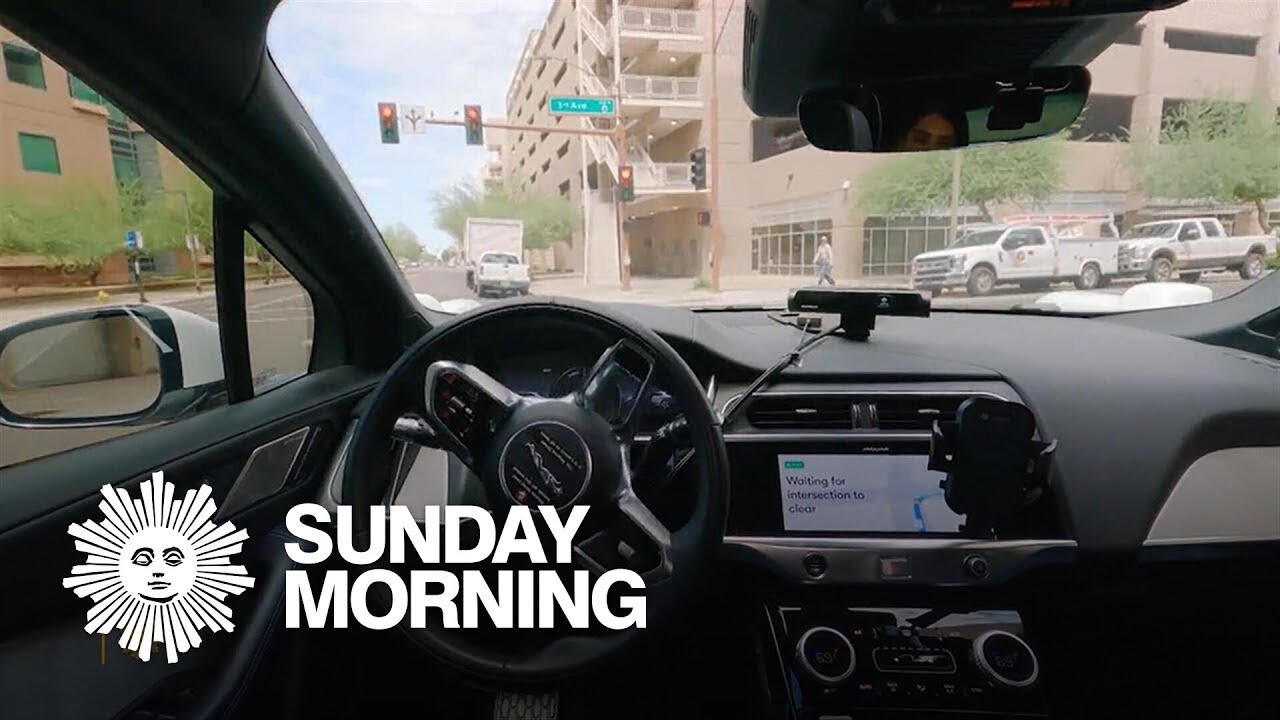
Understanding the Link Between Driverless Cars and Obesity
As technology advances, the rise of driverless cars presents both opportunities and challenges for public health, particularly concerning obesity rates. One of the primary concerns is that the convenience offered by autonomous vehicles may lead to a more sedentary lifestyle. With the ability to travel without the need for physical effort, individuals may be less inclined to walk or engage in other forms of physical activity, which are essential for maintaining a healthy weight.
Factors Contributing to Sedentary Behavior
The integration of driverless cars into daily life can contribute to increased sedentary behavior in several ways:
- Reduced Walking: With autonomous vehicles, people may opt to drive even short distances, eliminating the need for walking.
- Increased Screen Time: Passengers may spend more time engaging with screens rather than participating in physical activities.
- Convenience Over Activity: The ease of accessing a driverless car may encourage a lifestyle that prioritizes convenience over physical exertion.
Moreover, the implications of driverless cars extend beyond individual behavior to broader societal trends. Urban planning may shift towards designs that favor vehicle use rather than pedestrian-friendly environments. This can lead to a decrease in community spaces that promote physical activity, further exacerbating the obesity epidemic. As more people rely on autonomous vehicles, the reduction in active transportation options could diminish opportunities for exercise, reinforcing a cycle of inactivity.
Additionally, the potential for increased traffic and urban sprawl due to the accessibility of driverless cars could further impact public health. Areas that become more reliant on vehicle transport may lack infrastructure that encourages walking, biking, or other forms of exercise. Consequently, as communities adapt to a new norm of transportation, the collective impact on obesity rates could be significant, underscoring the need for careful consideration of urban planning and public health initiatives in the era of autonomous vehicles.
How Driverless Cars Contribute to Sedentary Lifestyles
The rise of driverless cars has revolutionized transportation, but it also raises concerns about their impact on our physical activity levels. With the convenience of autonomous vehicles, individuals may find themselves less inclined to engage in activities that require physical exertion. As people become more reliant on these technologies, they may inadvertently adopt a more sedentary lifestyle.
Reduced Physical Activity
One of the primary ways driverless cars contribute to sedentary lifestyles is by reducing the amount of physical activity individuals engage in on a daily basis. Traditional modes of transportation, such as walking, biking, or even driving a manual car, often involve some level of physical exertion. In contrast, the seamless experience of entering a driverless car and being transported to a destination minimizes opportunities for movement. As a result, individuals may find themselves spending more time sitting and less time being active.
Increased Screen Time
Furthermore, the interior environment of a driverless car often resembles that of a mobile office or entertainment hub. Passengers can use their travel time to work, browse the internet, or watch movies, which leads to increased screen time. This shift in how we utilize our travel time can further entrench sedentary behaviors. Instead of walking to a destination or using public transportation that requires standing or walking to and from stops, individuals may choose to remain in the comfort of their driverless cars, reinforcing a lifestyle characterized by prolonged periods of inactivity.
Social Interaction Decline
Additionally, driverless cars may reduce social interactions that typically occur during travel. Carpooling, ridesharing, or even simply driving with friends or family can foster social connections and encourage individuals to be more active. With the advent of autonomous vehicles, these social opportunities may diminish, leading to increased isolation and a further decline in physical activity. As people opt for the convenience of driverless cars, they may miss out on the benefits of social engagement and the physical activity that often accompanies shared travel experiences.
The Impact of Autonomous Vehicles on Physical Activity Levels
As autonomous vehicles (AVs) become more prevalent on our roads, their influence on physical activity levels is a growing area of concern among researchers and public health officials. The convenience and ease of AVs may lead to decreased physical activity as individuals opt for self-driving cars instead of walking, biking, or using public transportation. This shift has the potential to significantly alter our daily routines and overall health.
Potential Decrease in Walking and Biking
The introduction of AVs could lead to a decline in active transportation methods such as walking and biking. As people become more reliant on self-driving technology for short trips, they may forgo opportunities for physical exercise. For instance:
- Short commutes that would typically involve walking may be replaced by a ride in an autonomous vehicle.
- Social outings that often include walking or biking may see a shift toward using AVs instead.
- Children may be less likely to walk to school or play outside if they have easy access to AVs.
Impact on Urban Design and Infrastructure
The rise of AVs could also reshape urban planning and infrastructure, further impacting physical activity levels. Cities may prioritize roadways and parking for autonomous vehicles, which could lead to less space allocated for sidewalks, bike lanes, and parks. This shift in focus could diminish opportunities for residents to engage in physical activities, creating environments that discourage active lifestyles.
Potential for Increased Sedentary Behavior
The convenience of autonomous vehicles may foster a more sedentary lifestyle. With AVs handling transportation, individuals might spend more time sitting rather than engaging in movement. This change can have cascading effects on public health, contributing to increased rates of obesity and other lifestyle-related diseases. As society adapts to this new mode of transportation, it will be crucial to consider strategies to promote physical activity in tandem with the rise of AV technology.
Exploring Other Unintended Consequences of Driverless Cars
The advent of driverless cars promises to revolutionize transportation, but it also brings a host of unintended consequences that merit careful consideration. One significant concern is the impact on urban planning and infrastructure. As autonomous vehicles become more prevalent, cities may see a shift in traffic patterns, leading to altered demand for parking spaces and road usage. Urban planners might need to rethink zoning laws and design public spaces that accommodate a world where fewer people own cars, potentially leading to more pedestrian-friendly environments.
Another unintended consequence lies in the realm of insurance and liability. The introduction of autonomous vehicles raises complex questions about accountability in the event of an accident. Will manufacturers be held liable for crashes caused by their technology, or will liability shift to software developers? This shift could disrupt existing insurance models and create challenges for regulatory bodies as they attempt to navigate the evolving landscape of vehicle ownership and responsibility.
Additionally, the widespread adoption of driverless cars may inadvertently exacerbate social inequalities. While these vehicles could enhance mobility for individuals with disabilities or those unable to drive, they might also widen the gap between socioeconomic classes. Wealthier individuals may be more likely to access the latest technology, while lower-income communities could face delays in the adoption of these innovations. As a result, it is essential to consider how policies can be structured to ensure equitable access to the benefits of autonomous driving technology.
Lastly, the environmental implications of driverless cars warrant attention. Although these vehicles are often touted for their potential to reduce emissions through optimized driving patterns, the reality may be more complex. Increased convenience may lead to a rise in vehicle miles traveled, as individuals opt for ridesharing or autonomous transport rather than public transit. This phenomenon could counteract the environmental benefits that driverless cars are expected to provide, highlighting the need for a balanced approach to their integration into society.
Strategies to Mitigate Obesity Risks in a Driverless Future
As society moves toward a future dominated by driverless technology, addressing the potential rise in obesity rates is critical. Autonomous vehicles promise increased convenience but may also encourage sedentary behavior. To combat this, several strategies can be implemented to promote physical activity and healthier lifestyles in a driverless world.
1. Integrating Active Transportation Options
One effective strategy is to integrate active transportation options into the infrastructure surrounding autonomous vehicles. This includes:
- Designing pedestrian-friendly environments: Urban planners should focus on creating walkable neighborhoods with easy access to parks, recreational areas, and public transport.
- Encouraging cycling: Establishing dedicated bike lanes and bike-sharing programs can promote cycling as a viable alternative for short trips.
- Incorporating physical activity into commutes: Encouraging individuals to walk or cycle to and from autonomous vehicle pick-up points can help integrate more physical activity into daily routines.
2. Leveraging Technology for Health Monitoring
In a driverless future, technology can play a pivotal role in monitoring health and encouraging physical activity. Innovative applications and wearables can provide real-time feedback on users health metrics, such as steps taken, calories burned, and overall activity levels. Features could include:
- Personalized fitness goals: Apps can set and adjust fitness goals based on individual health data.
- Social sharing: Users can share their achievements on social media to foster community support and motivation.
- Gamification: Incorporating game-like elements can make physical activity more engaging and fun.
3. Promoting Healthy Habits Through Education
Education is crucial in mitigating obesity risks in a driverless future. Public health campaigns can focus on raising awareness about the importance of maintaining an active lifestyle despite the conveniences offered by autonomous vehicles. Key initiatives could include:
- Workplace wellness programs: Employers can promote physical activity through incentives, such as gym memberships or rewards for active commuting.
- Community workshops: Organizing workshops that educate individuals on nutrition, meal planning, and the importance of physical activity can empower healthier choices.
- School-based programs: Implementing physical education and wellness programs in schools can instill lifelong habits in children from an early age.
Did you like this content Obesity and Other Unintended Consequences of Driverless Cars: What You Need to Know See more here General Mechanics.

Leave a Reply