
Tesla Gen 2 vs Gen 3 Charger: Which One is Right for You?
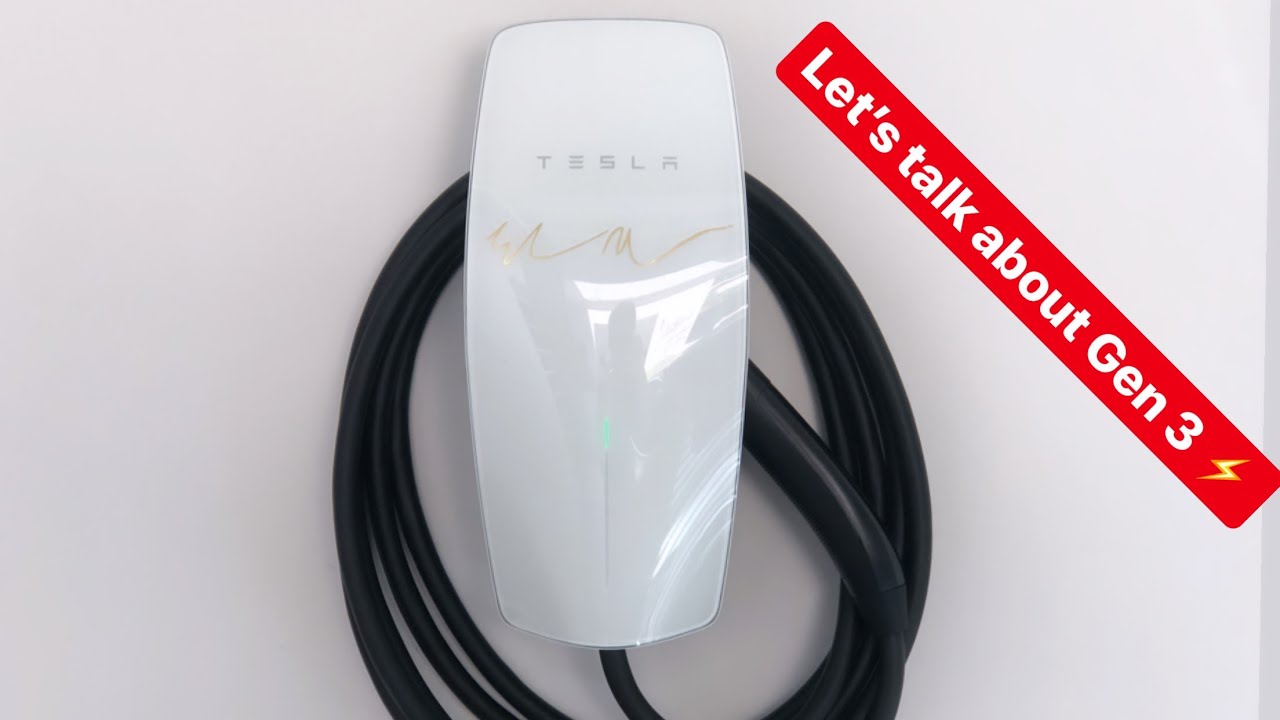
- Understanding the Key Differences Between Tesla Gen 2 and Gen 3 Chargers
- Performance Comparison: Tesla Gen 2 vs Gen 3 Charger
- Charging Speed and Efficiency: Which Tesla Charger is Superior?
- Cost Analysis: Is the Tesla Gen 3 Charger Worth the Investment Over Gen 2?
- User Experience: Real-world Feedback on Tesla Gen 2 and Gen 3 Chargers
Understanding the Key Differences Between Tesla Gen 2 and Gen 3 Chargers
When it comes to charging your Tesla vehicle, the choice of charger can significantly impact your overall experience. The Tesla Gen 2 and Gen 3 chargers are two popular options, each with unique features and specifications that cater to different user needs. Understanding these differences is crucial for selecting the charger that best suits your lifestyle and charging requirements.
Charging Speed and Power Output
One of the most notable differences between the Tesla Gen 2 and Gen 3 chargers is their charging speed and power output. The Gen 2 charger offers a maximum output of 40 amps, providing up to 30 miles of range per hour of charging. In contrast, the Gen 3 charger boasts a higher maximum output of 48 amps, which allows for a more efficient charging experience, delivering up to 44 miles of range per hour. This increased power output makes the Gen 3 charger a better choice for those who require quicker charging times, especially in households with multiple electric vehicles.
Design and Connectivity Features
Another key difference lies in the design and connectivity features of the two chargers. The Gen 3 charger comes with a sleeker and more modern design, incorporating a more compact form factor that allows for easier installation in tighter spaces. Additionally, the Gen 3 model includes Wi-Fi connectivity, enabling users to receive over-the-air updates and monitor charging statistics through the Tesla app. The Gen 2 charger, while functional, lacks these advanced connectivity features, making the Gen 3 a more future-proof option for tech-savvy users.
Installation and Compatibility
When it comes to installation, both chargers are designed to be user-friendly, but there are differences in compatibility. The Gen 2 charger is compatible with older Tesla models, while the Gen 3 charger is optimized for the latest models and includes a more versatile mounting system. This means that if you own a newer Tesla, the Gen 3 charger may provide a more seamless integration with your vehicle’s technology. Furthermore, the Gen 3 charger is designed to work with both single and three-phase power supplies, offering greater flexibility for installation in various home settings.
Performance Comparison: Tesla Gen 2 vs Gen 3 Charger
When evaluating the performance of Teslas charging solutions, the comparison between the Gen 2 and Gen 3 chargers is crucial for Tesla owners seeking optimal charging efficiency. Both chargers serve the same purpose of replenishing your electric vehicle’s battery, but they differ significantly in terms of charging speed, compatibility, and features.
Charging Speed
The Tesla Gen 3 charger offers improved charging speeds compared to its predecessor. With a maximum output of 48 amps, the Gen 3 charger can provide up to 44 miles of range per hour of charging, making it ideal for daily charging needs. In contrast, the Gen 2 charger has a maximum output of 40 amps, resulting in approximately 32 miles of range per hour. This difference in amperage translates to faster charging times for the Gen 3 model, allowing users to spend less time plugged in and more time on the road.
Compatibility and Features
Another key aspect of the performance comparison lies in compatibility and features. The Gen 3 charger is designed to work seamlessly with the latest Tesla models, including the Model 3 and Model Y, while also being backward compatible with older models. Additionally, the Gen 3 charger comes equipped with Wi-Fi connectivity, enabling over-the-air updates and real-time monitoring through the Tesla app. On the other hand, the Gen 2 charger lacks these advanced features, which may limit its appeal for tech-savvy users looking for enhanced functionality.
Installation and Portability
Installation and portability are also important factors to consider when comparing the two chargers. The Gen 3 charger features a more compact design, making it easier to install in tight spaces. Its lightweight construction enhances portability, allowing users to move it as needed. Conversely, the Gen 2 charger, while still effective, is bulkier and less suited for relocation. This aspect may influence the decision for users who prioritize flexibility in their charging solutions.
In summary, the Tesla Gen 3 charger stands out with its superior charging speed, advanced features, and enhanced compatibility, making it the preferred choice for Tesla owners looking for efficient and versatile charging options.
Charging Speed and Efficiency: Which Tesla Charger is Superior?
When it comes to charging your Tesla, the speed and efficiency of the charger you choose can significantly impact your driving experience. Tesla offers several charging options, including the Standard Wall Connector, the Tesla Supercharger, and the Destination Charger. Each of these chargers is designed with different use cases in mind, making it essential to understand their capabilities to determine which one is superior for your needs.
Tesla Supercharger stations are strategically located along major highways and are specifically designed for rapid charging. These chargers can deliver up to 250 kW of power, allowing you to charge your vehicle from 10% to 80% in approximately 30 minutes. This makes them ideal for long road trips where quick stops are necessary. The efficiency of Superchargers is also noteworthy, as they are optimized for high-volume use, ensuring that multiple vehicles can charge simultaneously without significant loss in speed.
On the other hand, the Standard Wall Connector is perfect for home charging. With a maximum output of 48 amps, it can add up to 44 miles of range per hour, depending on your Tesla model. While it may not match the Superchargers speed, it offers the convenience of charging overnight, making it a suitable option for daily drivers. The Wall Connector is also energy-efficient, as it allows users to set charging schedules that can take advantage of off-peak electricity rates.
Lastly, the Destination Charger is typically found at hotels, restaurants, and other locations where you might spend several hours. These chargers provide a slower charge compared to Superchargers, usually around 22 kW, but they serve a different purpose by allowing drivers to recharge while they enjoy their time at the destination. Although they are not as fast as Superchargers, their strategic placement can enhance the overall travel experience, offering a convenient option for those who may not need a rapid charge.
In summary, the choice between Teslas charging options depends on your specific needs, whether you prioritize speed for long trips or efficiency for daily use. Each charger has its unique strengths, making them superior in different contexts.
Cost Analysis: Is the Tesla Gen 3 Charger Worth the Investment Over Gen 2?
When considering the Tesla Gen 3 Charger versus the Gen 2, a thorough cost analysis is essential to determine if the newer model justifies the additional expense. The Gen 3 Charger typically comes with a higher upfront cost, but it’s crucial to assess the long-term benefits and savings it may provide. The primary factors influencing this decision include installation costs, charging speed, energy efficiency, and additional features.
Installation Costs
The installation costs for both chargers can vary based on your home’s electrical system. However, the Gen 3 Charger is designed to be more user-friendly and often requires less extensive electrical work. This can lead to lower installation costs in some cases. Its important to obtain quotes from certified electricians to compare the total installation expenses for both models.
Charging Speed and Energy Efficiency
One of the standout features of the Gen 3 Charger is its increased charging speed, capable of delivering up to 32 miles of range per hour. In contrast, the Gen 2 Charger typically offers less efficiency, resulting in longer charging times. This efficiency not only saves time but can also lead to lower electricity bills in the long run, especially for frequent users. For those who rely heavily on their Tesla for daily commuting or long trips, the faster charging capabilities of the Gen 3 may offset its initial cost.
Additional Features
The Gen 3 Charger includes several modern features that enhance user experience, such as Wi-Fi connectivity for software updates and a more compact design. While these features may not directly translate into monetary savings, they can improve the overall convenience and functionality of the charging experience. Additionally, the longevity and durability of the Gen 3 model could mean fewer replacement costs over time, making it a potentially wiser investment.
In summary, while the Gen 3 Charger comes with a higher initial price tag, its enhanced efficiency, reduced installation costs, and added features warrant a closer look for potential buyers evaluating the long-term value.
User Experience: Real-world Feedback on Tesla Gen 2 and Gen 3 Chargers
When it comes to electric vehicle charging, user experience is paramount, especially for Tesla owners utilizing Gen 2 and Gen 3 chargers. Feedback from real-world users reveals key differences and similarities between these two charging options, impacting overall satisfaction and efficiency.
Charging Speed and Efficiency
Many users have reported that the Gen 3 charger offers significantly faster charging speeds compared to its predecessor. With a maximum output of up to 11.5 kW, the Gen 3 charger can replenish a Tesla’s battery more rapidly, allowing for quicker stops during long trips. Users appreciate the ability to gain up to 44 miles of range per hour of charging, which is a notable improvement over the Gen 2’s 10 kW output.
Key user feedback highlights include:
- Faster charging times, especially beneficial for those with longer commutes.
- Improved efficiency during peak usage times.
- Seamless integration with Tesla’s app for monitoring charge status.
Design and Portability
In addition to performance, the design of the Gen 3 charger has garnered positive feedback. Users appreciate its compact size and lightweight build, making it easier to install and transport compared to the bulkier Gen 2 model. The Gen 3 charger features a more modern aesthetic, which many users find appealing for home installations.
User experiences highlight:
- Simpler installation process due to its lighter weight.
- More attractive design that blends well with home exteriors.
- Enhanced durability with weather-resistant features for outdoor use.
Overall, the user feedback surrounding Teslas Gen 2 and Gen 3 chargers showcases a clear preference for the newer model, particularly in terms of charging speed and design. As electric vehicle adoption continues to grow, these insights are invaluable for potential buyers and current Tesla owners considering an upgrade.
Did you like this content Tesla Gen 2 vs Gen 3 Charger: Which One is Right for You? See more here General Mechanics.

Leave a Reply