
Waymo Poised to Launch Driverless Service: What You Need to Know
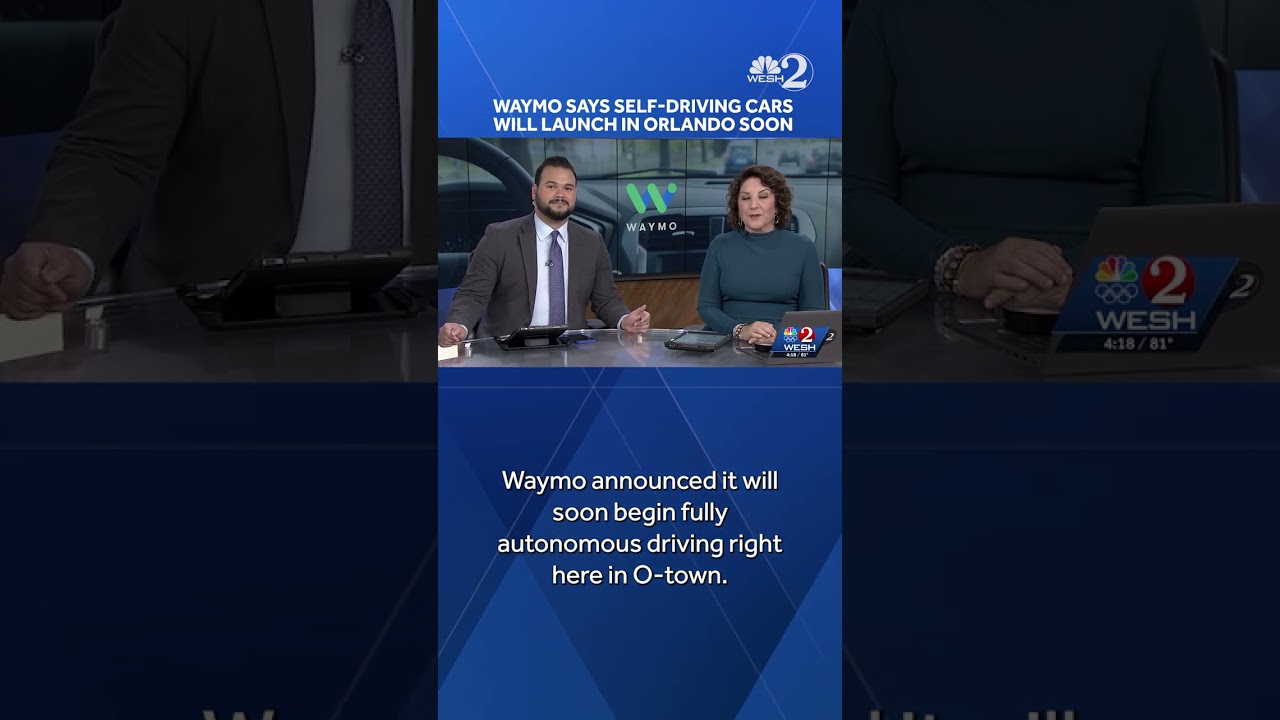
- What to Expect from Waymos Upcoming Driverless Service Launch
- The Technology Behind Waymos Driverless Service: How It Works
- Waymos Driverless Service: Potential Benefits for Commuters
- Challenges Facing Waymo as It Prepares to Launch Driverless Service
- Comparing Waymos Driverless Service to Other Autonomous Vehicle Initiatives
What to Expect from Waymos Upcoming Driverless Service Launch
Waymo, a leader in autonomous vehicle technology, is gearing up for the launch of its highly anticipated driverless service. As the company continues to refine its self-driving algorithms and expand its operational areas, users can expect a seamless and innovative transportation experience. This launch marks a significant milestone in the evolution of mobility, with Waymo poised to redefine how we think about personal and public transport.
Expanded Geographic Coverage
One of the most exciting aspects of Waymos upcoming service is the expansion of its geographic coverage. Initially focusing on specific urban areas, Waymo plans to broaden its reach, making autonomous rides accessible to a wider audience. Users can expect the service to roll out in densely populated metropolitan regions where demand for efficient transportation is high. Key cities on the radar include:
- San Francisco
- Phoenix
- Los Angeles
- Chicago
Enhanced User Experience
Waymo is committed to providing an enhanced user experience, integrating advanced features that prioritize safety and convenience. Passengers can anticipate a user-friendly app interface for ride-hailing, real-time tracking, and personalized ride preferences. The vehicles themselves will be equipped with cutting-edge technology, including sophisticated sensors and AI-driven navigation systems, ensuring a smooth and reliable journey. Riders will also benefit from an option to provide feedback directly through the app, contributing to the continuous improvement of the service.
Safety and Regulation Compliance
Safety remains a top priority for Waymo as it prepares for its driverless service launch. The company has invested heavily in rigorous testing and validation processes to ensure that its vehicles operate safely in various driving conditions. Users can expect transparent communication regarding safety protocols and regulatory compliance, reinforcing confidence in the service. Waymo is actively working with local governments and regulatory bodies to ensure that its operations meet all legal requirements, further establishing its commitment to public safety.
The Technology Behind Waymos Driverless Service: How It Works
Waymos driverless service is a groundbreaking innovation in autonomous vehicle technology, utilizing a combination of advanced sensors, artificial intelligence, and sophisticated software systems to navigate urban environments safely and efficiently. At the heart of this technology are various sensors, including LiDAR, cameras, and radar, which work together to create a comprehensive understanding of the vehicles surroundings.
Key Components of Waymos Technology
- LiDAR: This laser-based technology provides high-resolution, 360-degree views of the environment, allowing the vehicle to detect objects, pedestrians, and other vehicles with remarkable precision.
- Cameras: Multiple cameras positioned around the vehicle capture visual data, assisting in identifying traffic signals, road signs, and lane markings.
- Radar: Radar systems complement LiDAR and cameras by detecting objects in various weather conditions, ensuring reliable performance even in challenging environments.
Waymos autonomous vehicles are equipped with sophisticated algorithms that process the data gathered by these sensors in real-time. The artificial intelligence system uses machine learning to continuously improve its understanding of traffic patterns and behaviors, allowing the vehicle to make informed decisions on the road. This includes everything from navigating complex intersections to yielding to pedestrians, all while adhering to traffic laws.
Another critical aspect of Waymos technology is its extensive mapping capabilities. Waymo creates highly detailed maps of the areas where its vehicles operate, incorporating information about road geometry, traffic conditions, and even potential obstacles. These maps work in tandem with the vehicles real-time data to provide a reliable navigation system, enabling the autonomous vehicle to anticipate and react to dynamic changes in its environment.
Waymos Driverless Service: Potential Benefits for Commuters
Waymos driverless service represents a groundbreaking shift in urban transportation, offering numerous benefits that can significantly enhance the commuting experience for individuals. As commuters face increasing congestion and the challenges of traditional public transport, the introduction of autonomous vehicles could provide a much-needed alternative. With safety, convenience, and efficiency at the forefront, Waymos service is set to redefine the way people navigate their daily journeys.
Enhanced Safety
One of the most compelling advantages of Waymos driverless service is the potential for improved safety on the roads. Autonomous vehicles are equipped with advanced sensors and artificial intelligence systems that can detect obstacles, predict traffic patterns, and respond to potential hazards more effectively than human drivers. According to studies, the majority of traffic accidents are caused by human error, and by eliminating this factor, Waymo aims to significantly reduce accident rates. Commuters can enjoy peace of mind knowing that they are traveling in a vehicle designed to prioritize safety.
Increased Convenience
Another benefit of Waymos driverless service is the convenience it offers to commuters. With the ability to summon a vehicle at any time via a smartphone app, users can enjoy a seamless travel experience without the need to search for parking or deal with the hassles of public transportation schedules. This on-demand service allows for greater flexibility in travel plans, enabling commuters to adjust their routes and departure times based on their specific needs. Furthermore, the time spent in transit can be transformed into productive periods, allowing passengers to work, relax, or engage in leisure activities during their commute.
Environmental Impact
Waymos driverless service also has the potential to positively impact the environment. By optimizing routes and reducing traffic congestion, autonomous vehicles can lead to lower emissions and improved air quality. Additionally, the integration of electric vehicle technology within the driverless fleet further contributes to a decrease in the carbon footprint associated with daily commuting. For environmentally conscious commuters, utilizing Waymos service can be a step toward a more sustainable lifestyle, making it easier to align their travel habits with their values.
Challenges Facing Waymo as It Prepares to Launch Driverless Service
As Waymo gears up for the launch of its highly anticipated driverless service, the company is encountering a myriad of challenges that could impact its rollout. One of the primary obstacles is regulatory approval. With the complex landscape of transportation laws varying significantly from state to state, securing the necessary permits to operate autonomous vehicles is a daunting task. Waymo must navigate through extensive safety evaluations and compliance checks mandated by local and federal authorities, which can delay the deployment of their services.
Another critical challenge is public perception and trust. Many consumers remain skeptical about the safety of autonomous vehicles, stemming from high-profile accidents involving self-driving technology. To address these concerns, Waymo must invest in educational campaigns that highlight the safety measures and rigorous testing protocols implemented in their vehicles. Building consumer confidence is essential for widespread adoption, and overcoming fear and uncertainty surrounding driverless technology is paramount.
Technical challenges also pose a significant hurdle for Waymo as it prepares to launch its driverless service. While the company has made remarkable advancements in artificial intelligence and machine learning, the technology still faces limitations in complex urban environments. Factors such as unpredictable weather conditions, construction zones, and the behavior of other drivers can complicate the operation of autonomous vehicles. Waymo must continue to refine its algorithms and enhance its sensor technology to ensure reliability in diverse driving scenarios.
Finally, competition in the autonomous vehicle market is intensifying. With numerous tech companies and automotive manufacturers vying for a foothold in this emerging industry, Waymo faces pressure to differentiate its offerings. The need for continuous innovation and superior user experience is critical, as rivals may quickly catch up with or even surpass Waymo’s technological advancements. Balancing the urgency of launching their service while maintaining a competitive edge will be crucial for Waymo’s long-term success in the driverless market.
Comparing Waymos Driverless Service to Other Autonomous Vehicle Initiatives
Waymos driverless service stands out in the rapidly evolving landscape of autonomous vehicle initiatives, but how does it compare to other major players in the industry? While many companies are racing to develop self-driving technology, Waymo has carved a niche with its extensive testing and operational deployment. This differentiation can be examined across several key dimensions: technology, safety, and scalability.
Technology
Waymos autonomous driving system is built on a robust technological foundation, utilizing a combination of advanced sensors, machine learning algorithms, and extensive mapping data. This sophisticated technology enables Waymo vehicles to navigate complex urban environments with high precision. In contrast, other companies, such as Tesla, rely heavily on camera-based systems and driver assistance features, which may not offer the same level of autonomy.
- Waymos Approach:
- Uses LiDAR, radar, and cameras for a comprehensive perception system.
- Employs high-definition maps for navigation.
- Continuously improves algorithms through real-world data.
- Other Initiatives:
- Tesla focuses on vision-based systems with less reliance on LiDAR.
- Companies like Cruise and Aurora are also experimenting with different sensor combinations.
Safety
Safety is a paramount concern in the autonomous vehicle sector, and Waymo has made significant strides in this area. Their vehicles have logged millions of miles in both simulated and real-world conditions, contributing to a safety record that is among the best in the industry. This extensive testing allows Waymo to identify and mitigate potential risks effectively. Other initiatives, while also emphasizing safety, often have less comprehensive testing frameworks, which can lead to variable outcomes.
- Waymos Safety Measures:
- Extensive real-world testing and simulation.
- Collaboration with local governments for safe deployment.
- Transparent safety reports and data sharing.
- Comparative Safety Practices:
- Tesla’s Autopilot has faced scrutiny due to accidents during beta testing.
- Companies like Zoox focus on innovative vehicle designs that enhance safety.
Scalability
In terms of scalability, Waymo has already begun offering commercial driverless services in select markets, setting a benchmark for operational deployment. This commercial aspect is crucial, as it allows for real-world feedback and data collection that can further refine the technology. Other autonomous vehicle initiatives are still in various stages of development or pilot programs, which may limit their immediate impact on the market.
- Waymos Scalability Strategy:
- Active partnerships with ride-hailing services.
- Expansion into multiple urban markets.
- Focus on building a sustainable business model.
- Challenges for Other Initiatives:
- Many competitors are still in the testing phase, limiting market entry.
- Regulatory hurdles and public acceptance can slow down deployment.
Did you like this content Waymo Poised to Launch Driverless Service: What You Need to Know See more here General Mechanics.

Leave a Reply