
Will TPMS Light Come On If Tire Pressure Is Too High?
Understanding TPMS: What It Is and How It Works
The Tire Pressure Monitoring System (TPMS) is an essential safety feature in modern vehicles designed to monitor the air pressure within tires. By providing real-time data, TPMS helps drivers maintain optimal tire pressure, which is crucial for safety, fuel efficiency, and tire longevity. There are two primary types of TPMS: direct and indirect. Understanding how each system functions can help you appreciate the technology behind this critical automotive component.
Direct TPMS
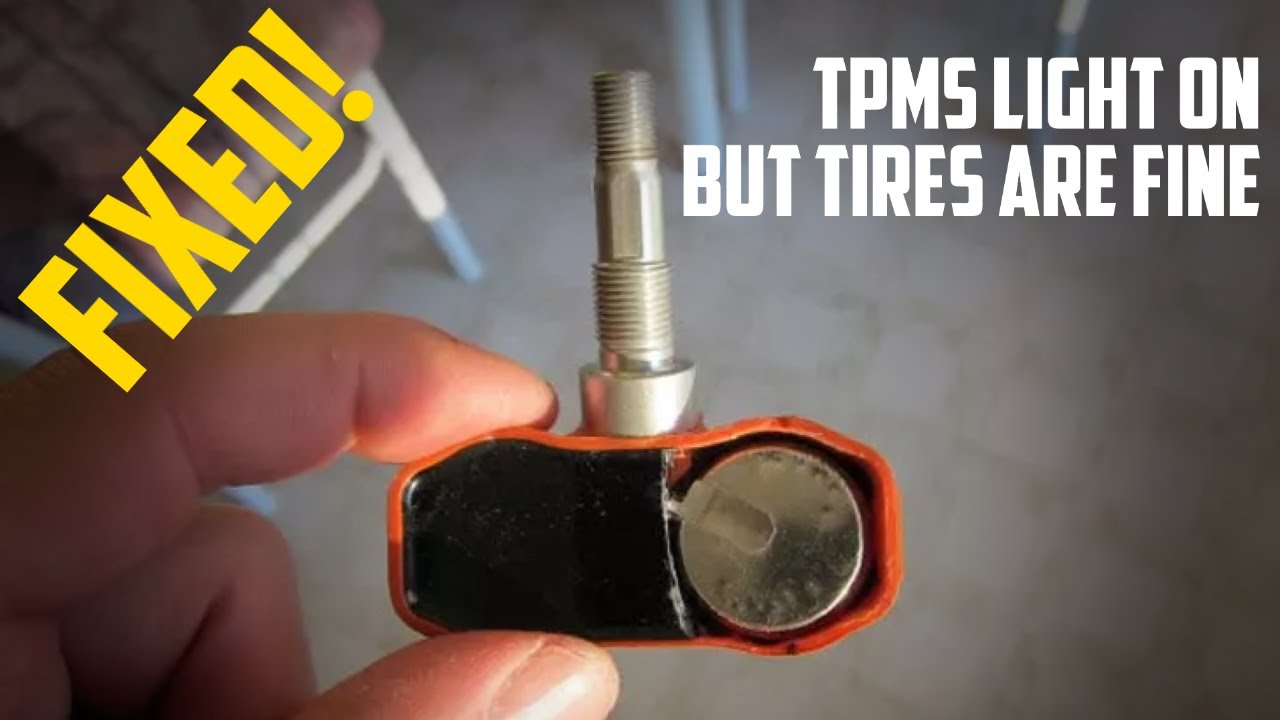
Direct TPMS uses pressure sensors located inside each tire to measure the air pressure accurately. These sensors transmit data to the vehicles onboard computer, which alerts the driver when tire pressure falls below a predetermined threshold. The advantages of direct TPMS include:
- Real-time monitoring: Provides immediate feedback on tire pressure.
- Accurate readings: Sensors give precise pressure measurements for each tire.
- Low battery alerts: Some systems notify drivers when sensor batteries are low.
Indirect TPMS
Indirect TPMS, on the other hand, does not use pressure sensors. Instead, it relies on the vehicles ABS (Anti-lock Braking System) wheel speed sensors to detect differences in tire rotation. When a tire is under-inflated, it has a smaller diameter and rotates faster than properly inflated tires. The system compares the rotation speeds of each tire and triggers a warning if it detects a significant discrepancy. Key features of indirect TPMS include:
- Cost-effective: Fewer components mean lower manufacturing costs.
- No batteries required: Eliminates the need for sensor battery replacements.
- Simple integration: Utilizes existing vehicle systems for monitoring.
Both types of TPMS play a vital role in enhancing vehicle safety. By ensuring that tires are properly inflated, drivers can improve handling, reduce the risk of tire blowouts, and enhance overall fuel efficiency. Understanding the differences between direct and indirect TPMS can help vehicle owners make informed decisions about their tire maintenance and safety practices.
Will the TPMS Light Activate If Tire Pressure Is Too High?
The Tire Pressure Monitoring System (TPMS) is designed to alert drivers when tire pressure falls below a safe threshold. However, many drivers wonder if the TPMS light will activate when tire pressure is too high. Generally, TPMS systems are calibrated to trigger warnings primarily for low tire pressure conditions, not for high pressure. This means that while overinflation can pose safety risks, the TPMS may not provide a direct alert for excessively high tire pressure.
Understanding TPMS Functionality
TPMS operates using sensors located in each tire that monitor pressure levels. These sensors typically trigger the warning light when the tire pressure drops 25% below the manufacturers recommended level. In contrast, the system is not universally designed to monitor or warn about overinflation. As a result, drivers may not receive a warning when tire pressure exceeds the optimal range, potentially leading to unsafe driving conditions.
Risks of Overinflated Tires
While the TPMS light may not activate for high tire pressure, overinflation can lead to several issues, including:
- Reduced Traction: Overinflated tires can decrease the contact patch with the road, resulting in poor traction.
- Increased Wear: Excessive pressure can cause uneven tire wear, shortening the lifespan of the tires.
- Blowouts: Overinflation increases the risk of tire blowouts, especially during high-speed driving or when encountering road hazards.
Given these risks, it is essential for drivers to regularly check their tire pressure using a reliable gauge. Maintaining the recommended pressure levels is crucial for ensuring safety, performance, and longevity of the tires.
Common Misconceptions About TPMS and Tire Pressure
Many vehicle owners have misconceptions about the Tire Pressure Monitoring System (TPMS) and the importance of maintaining proper tire pressure. Understanding these myths can help drivers take better care of their vehicles and enhance safety on the road.
Misconception 1: TPMS Eliminates the Need for Regular Tire Checks
One of the most prevalent myths is that having a TPMS means you no longer need to check your tire pressure regularly. While TPMS is an excellent tool for alerting drivers to significant pressure drops, it is not foolproof. TPMS typically triggers a warning light when tire pressure is critically low, but it may not detect gradual leaks or minor fluctuations. Therefore, regular manual checks using a tire pressure gauge are still essential for optimal tire health.
Misconception 2: All TPMS Are the Same
Another common misconception is that all TPMS systems function identically. In reality, there are two types of TPMS: direct and indirect. Direct TPMS uses sensors in each tire to measure pressure directly, providing real-time data, while indirect TPMS relies on the vehicles ABS system to estimate tire pressure based on wheel speed. Understanding the differences between these systems can help drivers better interpret the information provided and take appropriate action.
Misconception 3: Tire Pressure Should Always Be at Maximum Recommended Levels
Many drivers believe that tire pressure should always be inflated to the maximum levels indicated on the tire sidewall. However, this is misleading. The correct tire pressure for your vehicle is usually found on a sticker inside the drivers door or in the owners manual. Inflating tires to the maximum sidewall pressure can lead to a harsh ride, decreased traction, and uneven tire wear. Its crucial to adhere to the manufacturer-recommended levels for safety and performance.
By debunking these common misconceptions, drivers can make informed decisions about tire maintenance, leading to improved vehicle safety and longevity.
What Happens When Tire Pressure Exceeds Recommended Levels?
When tire pressure exceeds the recommended levels, several adverse effects can occur that compromise both vehicle performance and safety. Over-inflated tires can lead to a decrease in traction, making it difficult for the vehicle to grip the road effectively. This can be particularly dangerous in wet or slippery conditions, where the risk of hydroplaning increases. Drivers may find that their vehicles handle unpredictably, leading to a less stable driving experience.
Additionally, excessive tire pressure can result in uneven tire wear. The center of the tire tread tends to wear out faster than the edges, which can shorten the overall lifespan of the tires. This uneven wear not only necessitates more frequent tire replacements but can also impact fuel efficiency, as the vehicle may require more energy to maintain speed due to compromised tire contact with the road.
Moreover, over-inflated tires are more susceptible to damage from road hazards. When tires are too firm, they are less able to absorb shocks from potholes, debris, or curbs, which can lead to blowouts or punctures. This risk is particularly pronounced in high-speed driving situations where the potential for tire failure can lead to serious accidents.
Key consequences of exceeding recommended tire pressure include:
- Reduced traction: Less grip on the road, especially in adverse weather conditions.
- Uneven tire wear: Faster wear on the center of the tire tread compared to the edges.
- Increased risk of damage: Higher likelihood of blowouts and punctures due to reduced shock absorption.
- Poor handling: Unpredictable vehicle dynamics that can lead to loss of control.
Maintaining the correct tire pressure is essential not only for safety but also for optimizing vehicle performance and extending tire life. Regularly checking and adjusting tire pressure ensures that you remain within the recommended levels, thereby enhancing your driving experience.
How to Monitor and Maintain Proper Tire Pressure for Safety
To ensure optimal safety and performance of your vehicle, it is crucial to regularly monitor and maintain proper tire pressure. Under-inflated or over-inflated tires can lead to reduced fuel efficiency, uneven tire wear, and even dangerous blowouts. To keep your tires in top condition, follow these essential steps:
Check Tire Pressure Regularly
It is recommended to check your tire pressure at least once a month and before long trips. Use a reliable tire pressure gauge to measure the pressure when the tires are cold, as driving can increase the tire temperature and pressure. You can find the manufacturers recommended tire pressure in your vehicles owner manual or on a sticker usually located on the drivers side door jamb.
Know the Signs of Improper Tire Pressure
Being aware of the signs of improper tire pressure can help you address issues before they escalate. Look for the following indicators:
- Uneven tire wear: This can indicate that your tires are not inflated to the correct pressure.
- Vibration or pulling: If your vehicle vibrates or pulls to one side, it may be a sign of improper tire pressure.
- Low fuel efficiency: Under-inflated tires can cause your vehicle to consume more fuel.
Maintain Proper Tire Pressure
Once youve checked your tire pressure, maintaining it is equally important. Inflate your tires to the recommended pressure using an air compressor. If your tires are consistently losing pressure, inspect them for leaks or damage. Additionally, consider using a tire pressure monitoring system (TPMS) that alerts you when your tire pressure is low, ensuring that you stay informed about your tire health at all times. Regular tire rotation and alignment checks can also help maintain even wear and prolong tire life.
Did you like this content Will TPMS Light Come On If Tire Pressure Is Too High? See more here General Mechanics.

Leave a Reply