
Can a Subaru Forester Tow a Camper? Towing Capacity, Safety Tips & Best Lightweight Trailers
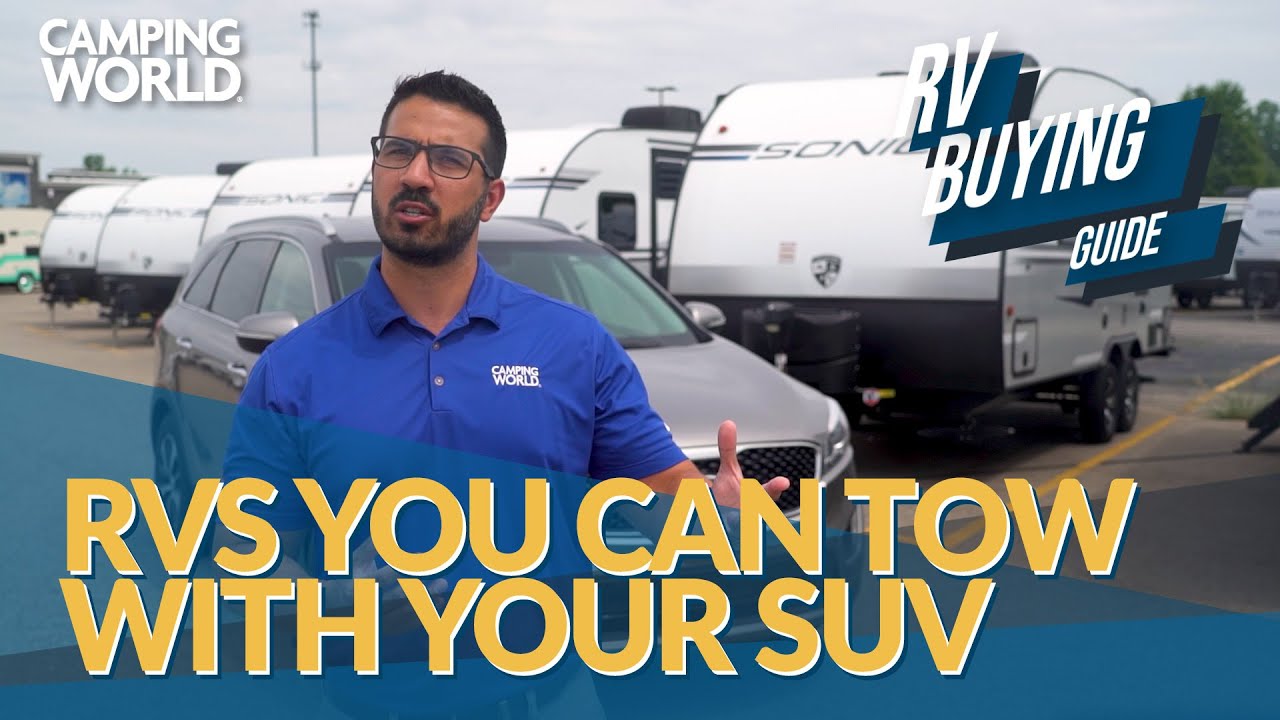
- Can a Subaru Forester Tow a Camper? Quick Answer and What to Expect
- Subaru Forester Tow Capacity by Model Year and Trim: How Much Weight Can It Tow?
- What Types and Sizes of Campers Can a Subaru Forester Tow Safely?
- Required Hitch, Braking, and Safety Equipment for Towing a Camper with a Subaru Forester
- Driving Tips, Legal Limits, and Alternatives If Your Forester Can’t Tow a Camper
Can a Subaru Forester Tow a Camper? Quick Answer and What to Expect
Yes — a Subaru Forester can tow a camper, but only light, compact units that stay within the vehicle’s specified towing and payload limits. Towing capability varies by model year, engine, and factory or dealer-installed towing package, so the quick answer is: check your Forester’s owner’s manual or door-jam sticker for the exact tow rating before hitching up. If you exceed the published limits you risk damaging the drivetrain, voiding warranties, and creating unsafe driving conditions.
What to expect on the road: reduced acceleration, longer braking distances, and altered handling, especially in crosswinds or on steep grades. You’ll likely see a noticeable drop in fuel economy and should anticipate slower uphill speeds and more frequent downshifting. Proper weight distribution and staying within tongue-weight recommendations are essential to minimize sway and maintain steering control. Trailer brakes and a compatible brake controller are often required for even moderately heavy campers.
Best camper types for a Forester are ultralight teardrops, small pop-up trailers, and minimalist utility-style trailers designed to stay under the vehicle’s towing rating. Larger travel trailers, fifth-wheels, and most conventional RVs are typically too heavy and not suitable. When shopping for a camper, compare the trailer’s dry weight, fully loaded weight, and tongue weight to your Forester’s tow rating, payload capacity, and Gross Vehicle Weight Rating (GVWR).
Before you tow, equip the vehicle and trailer appropriately: a properly rated hitch, safety chains, working trailer lights, a weight-distributing setup if recommended, and a trailer brake controller when required. Load the trailer so most weight sits over the axle, perform a slow test drive to become familiar with the setup, and routinely check tire pressures, fluids, and suspension for added stress while towing.
Subaru Forester Tow Capacity by Model Year and Trim: How Much Weight Can It Tow?
Subaru Forester tow capacity varies significantly by model year and trim because Subaru sets ratings based on the specific engine, transmission, suspension and factory-installed hitch options for each configuration. Differences between naturally aspirated and turbocharged engines, presence of a towing or trailer package, and gross vehicle weight/payload limits all change the maximum allowable trailer weight. That means two Foresters from the same generation but with different trims can have different tow ratings.
What changes by year and trim
Across model years you’ll see trends: higher-performance or turbocharged trims historically carry higher tow ratings than base trims, while newer generations may prioritize fuel economy and safety over increased towing capability. Key components that drive the published towing number include the engine torque curve, transmission cooling, chassis strength, and factory hitch specifications. Aftermarket modifications do not increase the factory rating — the manufacturer’s published limit is the controlling specification for safe, legal towing.
To find the exact tow capacity for a specific Forester, consult the owner’s manual, the vehicle’s certification label (usually on the driver’s door jamb), or Subaru’s official specifications for the model year and trim. Dealers and VIN-decoder services can also provide the factory rating and recommended hitch class. Remember that the vehicle’s tow capacity is tied to payload and tongue weight limits, so allowable trailer weight may be lower when the vehicle is carrying passengers and cargo.
In practical terms, the Forester’s varying tow ratings make it most suitable for light- to moderate-duty towing tasks such as small utility trailers, some pop-up campers, and watercraft carriers when equipped appropriately. Always match trailer weight to the published rating, use the correct class of hitch and ball, and consider weight-distribution or trailer brake systems if recommended by Subaru for your specific model and trim.
What Types and Sizes of Campers Can a Subaru Forester Tow Safely?
Most Subaru Forester models are best matched with lightweight campers rather than large, heavy travel trailers. When choosing a camper to tow safely, focus on options like small pop-up tent trailers, teardrop trailers, A-frame campers, and compact single-axle travel trailers that are designed for light towing. These types typically have lower dry weights and, when loaded carefully, are more likely to stay within the Forester’s rated towing capacity and payload limits — a critical factor for safe handling and braking.
Weight management is the deciding factor in what size camper a Forester can tow safely. Always compare the camper’s fully loaded gross trailer weight (GTW) and tongue weight to your Forester’s towing rating and payload allowance listed in the owner’s manual. Pay attention to the trailer’s cargo and water weight, and remember that tongue weight should generally fall within the recommended percentage of trailer weight to preserve steering and stability. Choosing a camper whose loaded weight stays well below the vehicle’s maximums gives you margin for passengers, gear, and fuel.
There are camper types you should generally avoid with a Forester because they commonly exceed the limits of a compact SUV. Heavy travel trailers, multi-axle trailers, fifth-wheels, large toy haulers, and many full-featured park models typically require a larger truck or SUV with a higher towing capacity and chassis ratings. Even some mid-sized travel trailers that look compact on the outside can have heavy construction or long floorplans that push them past safe towing limits once water, gear, and propane are added.
Beyond camper type and weight, equipment and setup matter for safe towing. Use the correct hitch class, ensure the trailer has its own brakes if required by local law or the Forester’s towing specs, and consider a brake controller, weight-distributing hitch, and sway-control solutions for longer trailers. Regularly verify tire pressures, suspension condition, and that the combined vehicle-plus-trailer load does not exceed the Forester’s published ratings to maintain safe towing performance.
Required Hitch, Braking, and Safety Equipment for Towing a Camper with a Subaru Forester
Essential Hitch and Hardware
- Properly rated receiver hitch: Install a hitch specifically rated for your Subaru Forester and the trailer’s gross trailer weight (GTW); consult your Forester owner’s manual for factory tow ratings and opt for a quality aftermarket hitch if needed.
- Correct ball mount and hitch ball: Use a ball mount and hitch ball sized and rated for your trailer’s coupler and weight, and ensure the ball is torqued to manufacturer specs.
- Weight-distribution and sway control (if required): For heavier campers that approach the vehicle’s towing limits, a weight-distribution hitch and/or sway-control device improves stability and helps keep tongue weight within safe ranges.
Braking Requirements
Many jurisdictions require trailers above a certain weight to have their own braking system; for Subaru Forester towing this means fitting the trailer with electric or surge brakes when the camper’s GTW exceeds local thresholds. Install a compatible brake controller in the Forester (hardwired or portable) to operate electric trailer brakes and adjust gain for safe stopping; if your trailer uses a surge brake system, ensure the hitch setup is compatible. Also include a breakaway switch and battery for electric-braked trailers so the trailer will stop if it becomes disconnected from the tow vehicle.
Safety Equipment and Wiring
Essential safety items include crossed safety chains sized and attached per manufacturer guidance, a vehicle-specific trailer wiring harness that provides turn signals, brake lights, and running lights, and a functional lighting inspection before each trip. Add towing mirrors or mirror extenders if the camper obscures your view, ensure tires (both vehicle and trailer) are load-rated and properly inflated, and carry a jack, lug wrench, and basic tools. Always double-check that all hitch bolts, electrical connections, and safety devices are secured and that you follow the Subaru Forester owner’s manual and local regulations for towing equipment.
Driving Tips, Legal Limits, and Alternatives If Your Forester Can’t Tow a Camper
Driving tips
Before attempting to tow a camper with a Subaru Forester, check the owner’s manual and factory towing recommendations, confirm the hitch and ball are rated for the load, and inspect tire pressure, lights, and trailer coupler security. Distribute cargo so the tongue weight is correct, use a weight-distributing hitch or sway control if recommended, and install a trailer brake controller and working trailer brakes when required. On the road, increase following distance, reduce speed, make wider turns, downshift for engine braking on descents, and practice low-speed maneuvers in a safe area to build confidence handling the added length and mass.
Legal limits
Towing rules vary by jurisdiction, so verify state or provincial statutes and your DMV requirements for registration, licensing, and equipment before heading out. Common legal considerations include maximum trailer weight relative to your vehicle’s rated capacity, mandatory trailer brakes or brake controllers above certain thresholds, special endorsements for heavier combinations, and speed or lane restrictions for vehicles towing trailers. Also confirm insurance covers towing and that the combined weight does not exceed the vehicle’s published GVWR/GCWR or the trailer’s placard ratings to avoid fines and liability.
Alternatives if your Forester can’t tow
If towing a camper exceeds your Forester’s capabilities, consider alternatives such as a lightweight rooftop tent, a compact teardrop or pop-up trailer specifically designed for smaller tow vehicles, renting a larger tow vehicle (truck or full-size SUV), or using camper rental services that deliver and set up at the campsite. Other options include renting a tow-rated vehicle for the trip, hiring a professional trailer transport or delivery service, or choosing drive-up campgrounds and glamping options that eliminate the need to tow altogether—always confirm compatibility and legal requirements before committing.
Did you like this content Can a Subaru Forester Tow a Camper? Towing Capacity, Safety Tips & Best Lightweight Trailers See more here General Mechanics.

Leave a Reply