
Can You Twin Turbo a 4 Cylinder Engine? Heres What You Need to Know
- Understanding Twin Turbocharging: What It Means for a 4 Cylinder Engine
- Benefits of Twin Turbocharging a 4 Cylinder Engine
- Can You Twin Turbo a 4 Cylinder Engine? A Comprehensive Guide
- Key Considerations Before Twin Turbocharging Your 4 Cylinder Engine
- Real-Life Examples: Successful Twin Turbo 4 Cylinder Engine Conversions
Understanding Twin Turbocharging: What It Means for a 4 Cylinder Engine
Twin turbocharging is an advanced technology that enhances the performance of a 4-cylinder engine by utilizing two turbochargers instead of one. This setup allows for improved air intake, resulting in better combustion efficiency and increased power output. Each turbocharger is typically assigned to a pair of cylinders, optimizing the engines performance across different RPM ranges. This means that a twin-turbo 4-cylinder engine can deliver power more smoothly and responsively compared to its single-turbo counterpart.
Benefits of Twin Turbocharging in 4 Cylinder Engines:
- Increased Power Output: Twin turbocharging allows for higher horsepower and torque levels without significantly increasing engine size.
- Improved Fuel Efficiency: By maximizing the engines air intake, twin turbos can lead to better fuel combustion, thus enhancing fuel economy.
- Reduced Turbo Lag: The use of two smaller turbos can lead to quicker spool times, minimizing the delay in power delivery.
- Enhanced Performance Across RPM Range: With two turbos, performance can be optimized for both low-end torque and high-end power, catering to a wider range of driving conditions.
The design of twin turbo systems can vary, with some configurations employing sequential turbocharging, where one turbocharger operates at lower RPMs and the second kicks in at higher RPMs. This allows for a seamless power band that provides strong acceleration throughout the engines operating range. In contrast, other setups may use parallel turbocharging, where both turbos work simultaneously to maximize airflow, ensuring that the engine remains responsive even at lower speeds.
Overall, the integration of twin turbocharging in 4-cylinder engines represents a significant advancement in automotive engineering. By effectively balancing power and efficiency, these engines cater to the demands of modern drivers seeking both performance and fuel economy in their vehicles. As technology continues to evolve, the prevalence of twin turbocharged 4-cylinder engines is likely to increase, making them a popular choice among car manufacturers and enthusiasts alike.
Benefits of Twin Turbocharging a 4 Cylinder Engine
Twin turbocharging a 4 cylinder engine offers several significant advantages that enhance performance, efficiency, and driving experience. One of the primary benefits is the increased power output. By utilizing two smaller turbochargers instead of a single larger one, the engine can achieve quicker spool times, resulting in improved throttle response. This means that drivers can enjoy a more dynamic driving experience, with power readily available across a broader RPM range.
Another key advantage is improved fuel efficiency. Twin turbocharging allows for better air intake and exhaust flow, which helps in optimizing the combustion process. When the engine operates more efficiently, it requires less fuel to produce the same amount of power compared to naturally aspirated engines. This not only contributes to lower fuel costs for the driver but also reduces emissions, making twin-turbocharged 4 cylinder engines a more environmentally friendly option.
Additionally, twin turbocharging contributes to better torque delivery. With two turbochargers, the engine can provide a more linear torque curve, enhancing drivability, especially in everyday scenarios such as city driving or merging onto highways. This consistent torque delivery can make a vehicle feel more powerful and responsive, allowing for a more enjoyable driving experience without sacrificing comfort or usability.
Lastly, the compact design of twin turbo systems can lead to weight savings in the overall vehicle structure. A lighter engine can enhance the vehicles handling and agility, making it more fun to drive. By integrating twin turbochargers, manufacturers can offer performance that rivals larger engines while maintaining a smaller footprint, which is especially beneficial in modern automotive design where efficiency and performance are paramount.
Can You Twin Turbo a 4 Cylinder Engine? A Comprehensive Guide
Yes, you can twin turbo a 4-cylinder engine, and its a modification that many automotive enthusiasts consider to significantly boost performance. Twin turbocharging involves using two turbochargers to increase the engines power output by forcing more air into the combustion chamber. This process can enhance throttle response and reduce turbo lag, making it an appealing option for those looking to maximize their vehicles potential.
Benefits of Twin Turbocharging a 4 Cylinder Engine:
- Increased Power Output: By utilizing two smaller turbochargers, you can achieve a higher power-to-weight ratio.
- Improved Efficiency: Twin turbos can enhance fuel efficiency compared to a single larger turbo, especially at lower RPMs.
- Better Throttle Response: With two turbos, the engine can spool faster, resulting in quicker acceleration.
- Custom Tuning Options: Twin turbo setups can be fine-tuned for specific performance goals, allowing for greater customization.
When considering a twin turbo setup for a 4-cylinder engine, its essential to evaluate the engines current capabilities and limitations. Not all 4-cylinder engines are designed to handle the increased pressure and heat generated by twin turbos. Upgrading components such as the intercooler, fuel injectors, and exhaust system may be necessary to support the added power. Additionally, proper tuning is crucial to ensure that the engine runs efficiently and reliably after the modification.
Another important aspect to consider is the complexity of the installation. A twin turbo system typically requires more intricate plumbing and mounting solutions than a single turbo setup. This can lead to higher installation costs and increased maintenance needs. However, with the right expertise and resources, twin turbocharging a 4-cylinder engine can result in a thrilling driving experience and a substantial increase in horsepower.
Key Considerations Before Twin Turbocharging Your 4 Cylinder Engine
When contemplating the addition of twin turbochargers to your 4-cylinder engine, several critical factors must be evaluated to ensure optimal performance and reliability. Turbocharging significantly increases engine power, but it also introduces complexities that can affect the overall functionality of your vehicle.
Engine Strength and Durability
Before proceeding with twin turbocharging, it’s essential to assess the strength of your engine components. The increased pressure and heat generated by twin turbos can strain stock internals. Consider the following:
- Pistons: Upgrading to forged pistons can enhance durability under higher stress conditions.
- Connecting Rods: Stronger rods are necessary to withstand increased torque.
- Cylinder Head: Ensure the cylinder head can handle the additional airflow and pressure.
Supporting Modifications
Adding twin turbos is not just about the turbos themselves; it often requires a series of supporting modifications to ensure that the entire system works harmoniously. Key supporting upgrades include:
- Fuel System: Upgrading injectors and fuel pumps is vital to meet the increased fuel demands.
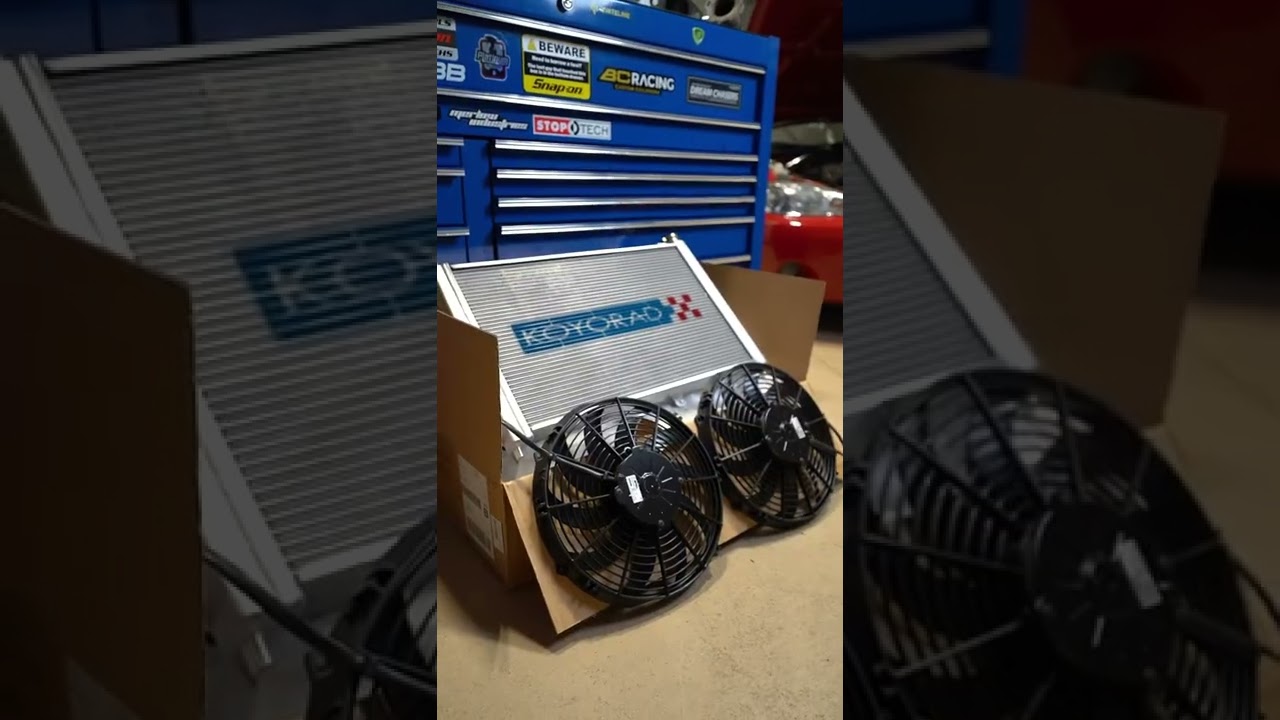
- Cooling System: Enhanced intercoolers and radiators are necessary to manage the additional heat generated.
- Exhaust System: A performance exhaust system can help reduce back pressure and improve turbo efficiency.
Tuning and Management
Proper tuning is crucial when introducing twin turbos to a 4-cylinder engine. A professional tuning session will ensure that the air-fuel mixture is optimized for the increased power output. Additionally, consider the following:
- Engine Management System: Upgrading to a standalone or programmable ECU may be required for fine-tuning.
- Boost Control: Implementing an effective boost control strategy is necessary to prevent engine damage.
Ultimately, careful consideration of these factors will help ensure that your twin turbocharging project is successful and sustainable in the long run.
Real-Life Examples: Successful Twin Turbo 4 Cylinder Engine Conversions
When it comes to enhancing performance, twin turbo 4 cylinder engine conversions have gained traction among automotive enthusiasts. These conversions not only boost horsepower but also improve efficiency, making them a popular choice for tuners and racers alike. Below are some noteworthy examples that showcase the potential of these conversions.
1. Honda Civic Si
One of the most iconic examples of a successful twin turbo conversion is the Honda Civic Si. This model, known for its lightweight chassis and spirited handling, has seen numerous enthusiasts swap in twin turbo setups. By integrating a custom twin turbo system, owners have reported significant gains in power, often exceeding 400 horsepower. The combination of a well-tuned engine management system and quality components results in a reliable and exhilarating driving experience.
2. Ford EcoBoost Engines
The Ford EcoBoost 4 cylinder engines have also been prime candidates for twin turbo conversions. Many owners have transformed their vehicles, such as the Ford Mustang and Focus RS, by adding twin turbos. This conversion not only enhances throttle response but also allows for a broader power band. With proper tuning, these EcoBoost engines can achieve remarkable horsepower figures, showcasing how effective the twin turbo setup can be in everyday vehicles.
3. Subaru WRX
The Subaru WRX, known for its rally heritage, has been another popular platform for twin turbo conversions. While many enthusiasts initially opt for single turbo upgrades, the twin turbo route offers unique advantages in terms of spool time and power delivery. Owners who have undertaken this conversion often report smoother acceleration and improved torque, making their WRX more competitive on both the street and the track.
These real-life examples illustrate the transformative impact of twin turbo 4 cylinder engine conversions. Each case highlights the blend of performance and efficiency that can be achieved, reinforcing the appeal of these upgrades in the automotive community.
Did you like this content Can You Twin Turbo a 4 Cylinder Engine? Heres What You Need to Know See more here General Mechanics.

Leave a Reply